

Why Choose Handmade Soap: Benefits for Skin and Planet
Finding genuinely sustainable and gentle skincare options can feel daunting for eco-conscious shoppers across the United Kingdom. With mass-produced soaps often relying on synthetic chemicals and plastic-heavy packaging, many are turning toward handmade alternatives crafted from natural, ethically sourced ingredients. Highlighting ingredient transparency and environmentally friendly production, this article lays out what truly sets handmade soap apart, helping you confidently choose products that nurture your skin and support ethical British artisans.
Table of Contents
- Handmade Soap: What Sets It Apart
- Natural Ingredients and Skin Health
- Eco Impact: Sustainability Versus Mass Brands
- Ethical Craftsmanship and Sourcing Practices
- Cost, Value, and Common Misconceptions
Key Takeaways
| Point | Details |
|---|---|
| Handmade Soaps Offer Unique Benefits | Handmade soaps utilise natural ingredients through traditional methods, promoting better skin health compared to mass-produced options. |
| Sustainability is Key | Choosing handmade soaps reduces environmental impact due to minimal waste and biodegradable materials, aligning with eco-friendly practices. |
| Ethical Craftsmanship Matters | Supporting artisans ensures fair labour practices and ethical sourcing, contributing to a more responsible production model. |
| Value Beyond Price | The higher cost of handmade soaps reflects quality, craftsmanship, and sustainability, offering long-term benefits for both skin and the environment. |
Handmade Soap: What Sets It Apart
Handmade soap represents an extraordinary craft that transforms basic ingredients into personalised skincare experiences. Unlike mass-produced alternatives, these artisan products embody a meticulous approach to cleaning and nourishing the skin through traditional saponification methods.
The core distinction lies in the production process. Handmade soaps are created through a deliberate, carefully controlled chemical reaction where natural oils interact with a base like sodium hydroxide. This process, known as saponification, allows for incredible ingredient customisation that commercial manufacturers cannot replicate.
Key characteristics that distinguish handmade soaps include:
- Complete ingredient transparency: Every component is intentionally selected
- Customisable formulations: Tailored to specific skin types and preferences
- Slow curing process: Producing harder, gentler soap bars
- Small batch production: Ensuring superior quality control
Traditional soapmaking techniques enable artisans to craft products that are fundamentally different from standardised commercial offerings. By prioritising natural ingredients and time-honoured methods, these soaps deliver a sensory experience that mass production simply cannot match.
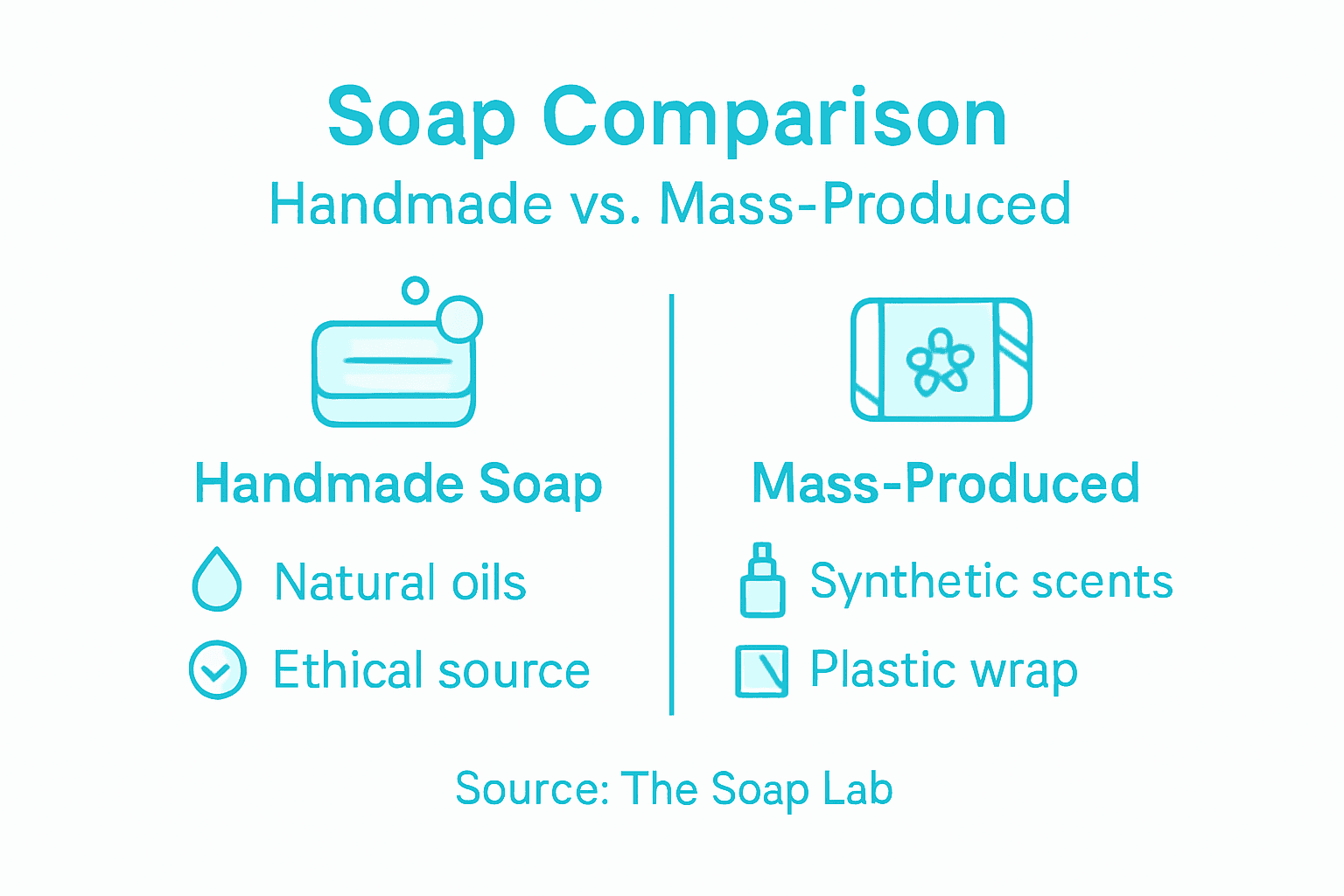
Here is a comparison of handmade and mass-produced soaps to help you understand their unique qualities:
| Aspect | Handmade Soap | Mass-Produced Soap |
|---|---|---|
| Ingredient origins | Natural, ethically sourced oils | Synthetic and standardised fats |
| Production scale | Small batches for quality control | Large-scale, industrial batches |
| Skin compatibility | Suited to sensitive, unique skin | Often causes irritation |
| Customisation | Custom formulas for preferences | Limited or no customisation |
| Environmental impact | Minimal waste, biodegradable options | Plastic-heavy, higher pollution |
Pro tip: When selecting a handmade soap, examine the ingredient list and ask about the specific oils and techniques used in its creation.
Natural Ingredients and Skin Health
Natural ingredients represent a revolutionary approach to skincare, offering profound benefits that synthetic alternatives simply cannot match. Plant-based ingredients provide remarkable therapeutic properties, transforming ordinary soap into a powerful tool for maintaining skin health and addressing specific dermatological concerns.
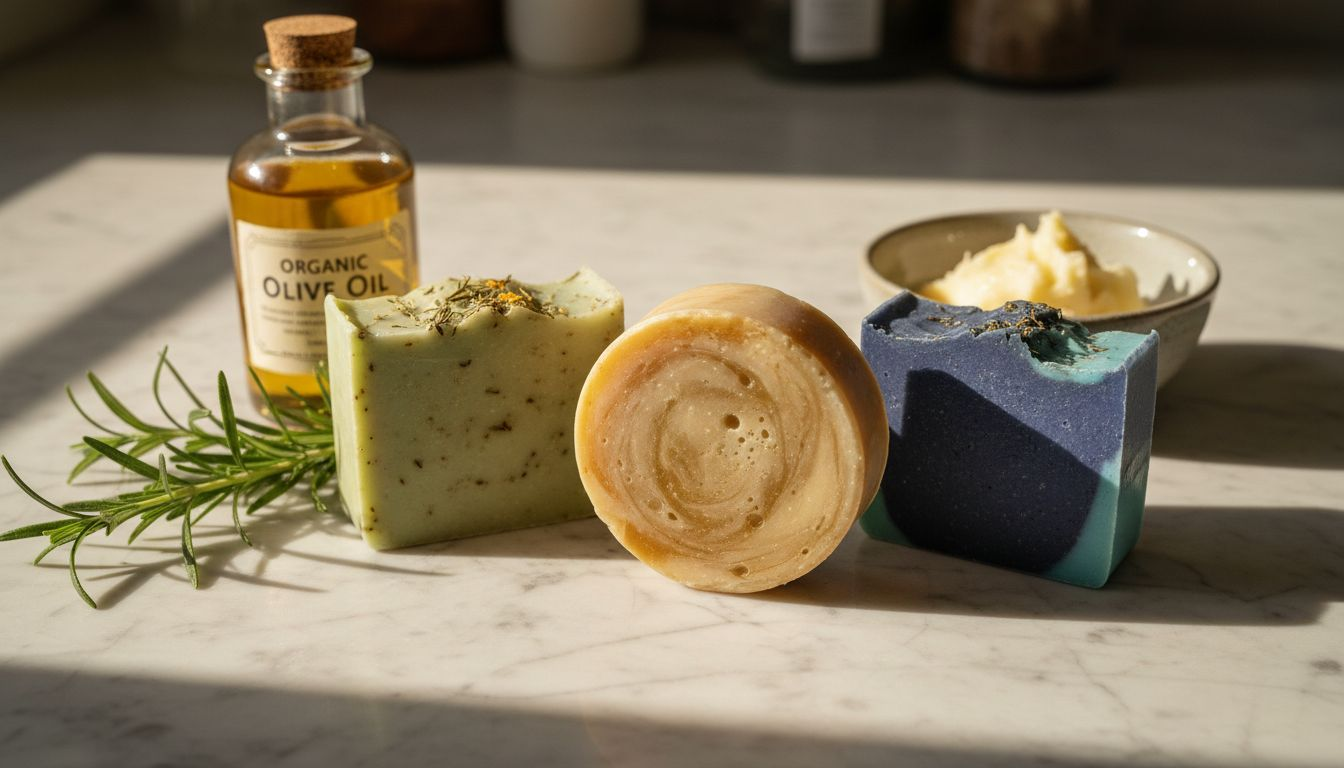
Handmade soaps crafted with herbal extracts like neem, tulsi, and aloe vera deliver exceptional advantages for sensitive skin. These natural components are scientifically proven to offer multiple protective mechanisms: antibacterial action prevents infection, antioxidants combat cellular damage, and anti-inflammatory properties soothe irritation.
Key benefits of natural ingredient-based soaps include:
- Targeted skin healing: Addressing specific skin conditions
- Reduced chemical exposure: Minimising synthetic ingredient interactions
- Holistic nourishment: Providing vitamins and minerals directly through skin
- Environmentally friendly: Supporting sustainable skincare practices
Natural ingredients work in harmony with your skin’s biological processes, offering gentle yet effective cleansing and protection.
Comparative studies have demonstrated that natural soaps cause significantly less skin irritation than traditional commercial products. By avoiding harsh synthetic chemicals, these soaps maintain the skin’s natural microbiome and support long-term dermatological health.
This summary highlights how natural soap ingredients can support skin wellness:
| Natural Extract | Main Skin Benefit | Additional Effect |
|---|---|---|
| Neem | Antibacterial protection | Reduces inflammation |
| Tulsi (Holy basil) | Soothes irritation | Fights oxidative damage |
| Aloe vera | Promotes moisture retention | Aids in skin barrier repair |
Pro tip: Always patch test new natural skincare products to understand how your unique skin responds to specific herbal ingredients.
Eco Impact: Sustainability Versus Mass Brands
Sustainability in soap production represents far more than a passing trend—it’s a critical environmental imperative. Natural soaps offer significantly reduced environmental impact, challenging the ecological footprint of mass-produced commercial brands through innovative, conscientious manufacturing approaches.
The fundamental difference lies in production methodology. Mass-market soap brands typically rely on synthetic chemicals, non-renewable resources, and large-scale manufacturing processes that generate substantial waste. In contrast, handmade soap producers prioritise ecological considerations, often sourcing local, organic ingredients and employing small-batch production techniques that minimise environmental disruption.
Key sustainability advantages of handmade soaps include:
- Reduced chemical pollution: Minimising synthetic chemical release
- Lower carbon footprint: Smaller production scales and local sourcing
- Waste reduction: Utilising waste-derived feedstocks like recycled cooking oils
- Biodegradable ingredients: Supporting natural ecosystem health
- Minimal packaging: Reducing plastic and non-recyclable materials
Sustainable soap production isn’t just about the product—it’s about reimagining our relationship with manufacturing and consumption.
By choosing handmade soaps, consumers directly support a more sustainable economic model that values environmental stewardship over mass production. Each purchase becomes a vote for responsible manufacturing practices that prioritise planetary well-being.
Pro tip: Research local soap makers who demonstrate transparent sustainability practices and actively share their ecological commitment.
Ethical Craftsmanship and Sourcing Practices
Ethical craftsmanship represents a profound commitment to transparency, sustainability, and social responsibility in soap production. Ethical sourcing practices transform traditional manufacturing, challenging the impersonal approaches of mass-market brands by prioritising human and environmental well-being.
Handmade soap artisans distinguish themselves through meticulous ingredient selection and production methods that respect both people and planet. Unlike large manufacturers who often prioritise cost-efficiency, these craftspeople carefully vet each ingredient, ensuring fair trade origins, sustainable farming practices, and minimal environmental impact.
Key ethical considerations in handmade soap production include:
- Cruelty-free testing: Rejecting animal testing practices
- Fair labour standards: Supporting ethical working conditions
- Local ingredient sourcing: Minimising transportation emissions
- Organic material selection: Supporting sustainable agriculture
- Transparent supply chains: Enabling consumer understanding
Ethical craftsmanship transforms soap from a simple cleaning product into a statement of social responsibility.
Handcrafted soap guilds actively promote ethical standards that go beyond mere product creation. These organisations develop comprehensive frameworks supporting artisans who demonstrate commitment to sustainable, responsible manufacturing practices.
Pro tip: Request detailed ingredient sourcing information from soap makers to understand their ethical commitment and environmental impact.
Cost, Value, and Common Misconceptions
Handmade soap pricing reflects far more than a simple manufacturing expense. Consumer perceptions of artisanal products reveal deeper value considerations, challenging traditional assumptions about cost and quality in personal care products.
While handmade soaps typically command a higher price point compared to mass-produced alternatives, this premium represents a comprehensive investment in quality, craftsmanship, and ethical production. The additional cost directly supports small-scale artisans, sustainable ingredient sourcing, and intricate production processes that commercial manufacturers cannot replicate.
Common misconceptions about handmade soap include:
- Perceived inconsistency: Believing small-batch production means variable quality
- Cost justification: Assuming higher prices are purely marketing-driven
- Limited availability: Thinking handmade means restricted product range
- Complexity of use: Imagining artisanal products are more complicated
- Durability concerns: Doubting the longevity of handcrafted soaps
The true value of handmade soap extends beyond monetary cost—it represents an investment in personal care, environmental sustainability, and artisan support.
Consumers increasingly value traditionally crafted products not just for their practical benefits, but for the symbolic meanings of authenticity, care, and uniqueness. This emotional connection often outweighs pure economic considerations.
Pro tip: Compare the entire lifecycle cost of handmade versus commercial soaps, considering factors like ingredient quality, skin health benefits, and environmental impact.
Discover the True Benefits of Handmade Soap with The Soap Lab
If you seek skincare that nurtures both your skin and the planet, exploring the world of handmade soaps is essential. These artisan creations embrace natural ingredients, ethical craftsmanship, and sustainable practices to deliver gentle yet effective cleansing tailored to your unique skin needs. At The Soap Lab, we understand the challenges of finding trusted products that align with your values while nourishing sensitive skin and supporting environmental well-being.

Experience the difference today by browsing our selection of Organic Personal Care Products – The Soap Lab Scotland. Each item reflects a promise of transparency, quality, and care for the earth. Whether you prefer soothing facial care from our Facial Care - Plant Powered Goodness – The Soap Lab Scotland collection or seek the perfect eco-friendly gift, you will find thoughtfully sourced products crafted to enrich your daily routine. Visit The Soap Lab now and take the next step toward conscious, skin-friendly self-care.
Frequently Asked Questions
What are the main benefits of using handmade soap?
Handmade soap offers several benefits, including complete ingredient transparency, customisable formulations for specific skin types, and a slower curing process that results in harder, gentler soap bars. It also supports small-scale production, ensuring superior quality control.
How do natural ingredients in handmade soaps benefit the skin?
Natural ingredients in handmade soaps provide therapeutic properties that help improve skin health. They are often less irritating than synthetic alternatives and can target specific skin conditions with their antibacterial, antioxidant, and anti-inflammatory effects.
What is the environmental impact of handmade soaps compared to mass-produced soaps?
Handmade soaps typically have a significantly lower environmental impact than mass-produced brands. This is due to reduced chemical pollution, lower carbon footprints from small-scale production, and the use of biodegradable ingredients and minimal packaging.
Are there misconceptions about the value of handmade soaps?
Yes, common misconceptions include the belief that handmade soaps are inconsistent in quality, overly expensive without justification, or less effective than mass-produced options. In reality, the premium price reflects the quality of craftsmanship, ethical production, and beneficial ingredients that support skin health and sustainability.



