

7 Key Benefits of Handmade Soaps for Eco-Friendly Living
Finding the right soap can be a daily struggle, especially if you have sensitive skin or want to avoid harsh chemicals. Commercial soaps are often packed with synthetic additives and plastic packaging that irritate skin and harm the environment. You deserve cleansing products that truly care for your skin and the planet.
Handmade soaps offer a healthier, more sustainable alternative. They use high-quality, natural ingredients free from parabens, sulfates, and synthetic fragrances, and prioritise eco-friendly packaging. This approach gives your skin gentle nourishment without stripping away moisture.
Get ready to discover practical reasons why switching to handmade soap can transform your skincare routine and support ethical, sustainable living. The numbered insights ahead will help you make confident choices for both your wellbeing and the world around you.
Table of Contents
- 1. Gentle Cleansing For Sensitive Skin
- 2. Free From Harsh Chemicals And Additives
- 3. Eco-Friendly Ingredients And Packaging
- 4. Supports Ethical And Local Craftsmanship
- 5. Rich In Natural Moisturising Oils
- 6. Customisable Scents And Formulations
- 7. Promotes Sustainable Self-Care Routines
Quick Summary
| Takeaway | Explanation |
|---|---|
| 1. Handmade soaps soothe sensitive skin. | These soaps use natural ingredients that nourish without harsh chemicals, reducing irritation and inflammation. |
| 2. Choose eco-friendly packaging. | Select soaps that utilise recyclable or compostable materials to support environmental sustainability and reduce waste. |
| 3. Support local artisans. | Purchasing handmade soaps helps preserve traditional craftsmanship and supports local economies and cultural heritage. |
| 4. Customise your skincare experience. | Personalise your soap selection by choosing ingredients that address specific skin needs and preferences for optimal benefits. |
| 5. Embrace sustainable self-care practices. | Transition to handmade products gradually for a healthier lifestyle that also promotes environmental responsibility. |
1. Gentle Cleansing for Sensitive Skin
Handmade soaps represent a transformative solution for individuals struggling with sensitive skin conditions. Unlike mass-produced commercial alternatives, these carefully crafted products offer a nurturing approach to skincare that prioritises skin health and comfort.
The fundamental advantage of handmade soaps lies in their thoughtfully selected natural ingredients. Sensitive skin requires delicate cleansing without aggressive chemical disruption. These artisan soaps typically incorporate:
- Organic botanical oils
- Gentle plant-based glycerins
- Minimally processed natural butters
- Hypoallergenic ingredients
Traditional commercial soaps often contain harsh synthetic chemicals that strip the skin’s natural protective barrier. In contrast, handmade soaps maintain the skin’s delicate microbiome by preserving essential moisture and supporting its natural healing processes.
For individuals with reactive or easily irritated skin, choosing a handmade soap can significantly reduce inflammation and prevent potential allergic responses. The absence of synthetic fragrances, parabens, and sulphates means less risk of unexpected skin reactions.
Handmade soaps are not just cleansers - they are a gentle act of self-care for sensitive skin.
Pro tip: When selecting a handmade soap for sensitive skin, always perform a small patch test on your inner forearm to ensure compatibility and monitor any potential reactions.
2. Free from Harsh Chemicals and Additives
Handmade soaps stand as a beacon of purity in a world saturated with synthetic chemical formulations. They offer a natural alternative to commercial cleansing products that often compromise both personal and environmental health.
Natural skincare ingredients represent a transformative approach to personal care. Commercial soaps frequently contain a cocktail of potentially harmful additives:
- Synthetic surfactants
- Artificial preservatives
- Petroleum-based chemicals
- Toxic plasticizers
- Harsh binding agents
By contrast, handmade soaps are crafted using minimally processed natural ingredients that are biodegradable and significantly less toxic. These artisan products eliminate the risk of exposure to potentially harmful synthetic compounds that can penetrate the skin and disrupt bodily systems.
The environmental impact of choosing chemical-free soaps extends far beyond personal health. When these natural soaps wash down our drains, they break down harmlessly in ecosystems, unlike their synthetic counterparts that can persist and accumulate in water systems.
Natural ingredients are not just a choice - they are a commitment to personal and planetary wellness.
Pro tip: Always check ingredient lists carefully and prioritise soaps with recognisable, plant-based components to ensure you are truly avoiding harmful chemical additives.
3. Eco-Friendly Ingredients and Packaging
Handmade soaps represent a powerful statement in sustainable personal care, demonstrating that beauty and environmental responsibility can coexist harmoniously. The commitment to eco-friendly practices begins with thoughtful ingredient selection and extends to innovative packaging solutions.
Eco-friendly packaging techniques have revolutionised how artisan soap makers approach product presentation. These sustainable strategies focus on minimising environmental impact through conscious choices:
- Recycled paper wrappings
- Compostable material packaging
- Seed paper labels that can be planted
- Reusable fabric bags
- Minimal plastic usage
The ingredients themselves tell a story of environmental stewardship. Artisan soap makers carefully select plant-based oils, organic botanicals, and biodegradable components that nourish both skin and planet. By prioritising locally sourced, sustainably harvested ingredients, these craftspeople reduce carbon footprints and support local ecological systems.
Beyond ingredients, packaging becomes a statement of environmental values. Each recyclable wrapper or compostable container represents a small but significant step towards reducing global waste and challenging traditional single-use packaging models.
Sustainable soap packaging is not just a choice - it is a responsibility to our planet.
Pro tip: When purchasing handmade soaps, look for packaging that can be recycled, composted, or repurposed to maximise your environmental contribution.
4. Supports Ethical and Local Craftsmanship
Handmade soaps represent far more than a mere cleansing product. They embody a profound celebration of traditional artisanal skills that connect consumers directly with skilled local craftspeople and their rich cultural heritage.
Artisanal soap traditions demonstrate how handmade products preserve centuries of collective knowledge and community expertise. These craftspeople invest immense skill and passion into every soap bar, creating more than just a product - they create a narrative of cultural continuation.
The ethical benefits of supporting local craftsmanship extend far beyond the immediate purchase:
- Preserves traditional manufacturing techniques
- Supports local economic ecosystems
- Provides fair wages to skilled artisans
- Maintains cultural heritage
- Reduces reliance on mass-produced goods
By choosing handmade soaps, you are not merely purchasing a product. You are actively participating in a global movement that values human skill, respects traditional knowledge, and supports small-scale producers who prioritise quality over quantity.
Every handmade soap tells a story of human creativity and cultural preservation.
Pro tip: When purchasing handmade soaps, ask about the artisan’s background and production methods to truly appreciate the craftsmanship behind your purchase.
5. Rich in Natural Moisturising Oils
Handmade soaps represent a luxurious sanctuary of skin-nourishing botanical ingredients that transform everyday cleansing into a deeply hydrating experience. Unlike commercial soaps that strip away natural oils, these artisan creations embrace the power of natural moisturising elements.
Natural soap oils offer an extraordinary range of skin-conditioning benefits. These carefully selected botanical oils work in harmony to provide comprehensive skin nutrition:
- Olive oil for deep hydration
- Coconut oil for antibacterial protection
- Shea butter for intense moisture
- Castor oil for skin softening
- Jojoba oil for balanced sebum regulation
Each natural oil brings unique properties that go beyond simple cleansing. Botanical oils penetrate deeply into the skin’s layers, delivering nutrients and maintaining the skin’s natural moisture barrier. This approach ensures your skin remains supple, smooth, and protected without relying on synthetic additives.
The holistic approach of handmade soaps means that every ingredient serves a purpose. Unlike mass-produced alternatives that prioritise cost-cutting, these artisan products focus on skin health and long-term nourishment.
Natural oils are not just ingredients - they are a testament to skincare’s profound connection with nature.
Pro tip: Select handmade soaps that list their botanical oils clearly, and rotate between different oil compositions to provide your skin with a diverse range of nutritional benefits.
6. Customisable Scents and Formulations
Handmade soaps represent the pinnacle of personalised skincare artistry, offering an unprecedented level of customisation that transforms mundane cleansing into a bespoke sensory experience. Unlike mass-produced alternatives, these artisan creations allow individuals to curate their ideal soap precisely.
Personalised soap formulations enable a remarkable journey of skin-specific care and aromatic exploration. Crafting a custom soap involves carefully selecting ingredients that address unique skin requirements and personal preferences:
- Natural emollients like cocoa butter
- Skin-specific essential oils
- Therapeutic botanical extracts
- Individually tailored fragrance profiles
- Targeted skin-conditioning ingredients
Each ingredient serves a deliberate purpose, whether providing deep moisture, addressing specific skin concerns, or creating a distinctive sensory experience. Skin type becomes the ultimate design brief, with artisan soap makers capable of engineering formulations that respond to individual dermatological needs.
Therapeutic essential oils can transform a simple cleansing routine into a holistic wellness ritual. Lavender for relaxation, tea tree for purification, chamomile for soothing - the possibilities are as diverse as individual skin stories.
Customisation is not a luxury - it is a fundamental right of personal care.
Pro tip: Consult with handmade soap artisans about your specific skin concerns to create a truly personalised soap that speaks directly to your body’s unique requirements.
7. Promotes Sustainable Self-Care Routines
Handmade soaps represent more than a cleansing product - they are a profound commitment to holistic personal wellness that integrates environmental consciousness into daily self-care practices. These artisan creations transform routine hygiene into a meaningful act of ecological responsibility.
Sustainable self-care principles extend far beyond simple product selection. They represent a fundamental reimagining of personal care that prioritises both individual health and planetary well-being:
- Reducing chemical exposure
- Minimising plastic waste
- Supporting ethical production
- Nurturing personal wellness
- Creating mindful consumption habits
By choosing handmade soaps, you are actively participating in a global movement towards conscious living. These products embody green chemistry principles, utilising plant-derived ingredients that biodegrade naturally and support ecological balance.
The ripple effect of sustainable self-care extends beyond personal routines. Each thoughtful choice contributes to a broader cultural shift towards environmental stewardship, demonstrating that individual actions can collectively drive meaningful change.
Sustainable self-care is not a trend - it is a revolutionary approach to personal and planetary health.
Pro tip: Gradually transition to handmade, eco-friendly products by replacing one conventional item in your routine each month, allowing yourself to discover the profound connection between personal care and environmental responsibility.
Below is a comprehensive table summarising the key points discussed in the article concerning handmade soaps and their benefits for sensitive skin, eco-friendliness, customisation, and ethical craftsmanship.
| Aspect | Details | Benefits |
|---|---|---|
| Gentle Cleansing | Utilises hypoallergenic and natural ingredients while avoiding synthetic chemicals. | Reduces skin irritation, preserves the skin barrier, and promotes natural healing. |
| Free from Harsh Chemicals | Formulated without synthetic surfactants, petroleum derivatives, or harmful additives. | Minimises exposure to toxins and decreases environmental impact. |
| Eco-Friendly Design | Incorporates sustainable ingredients and biodegradable packaging. | Reduces waste and ecological footprint while supporting local ecosystems. |
| Artisan Craftsmanship | Reflects skilled traditional methods that sustain local economies and cultural practices. | Generates fair wages, preserves artisanal knowledge, and reduces dependency on mass production. |
| Moisturising Properties | Contains oils like olive, coconut, and shea butter for enhanced hydration. | Deeply nourishes the skin while maintaining moisture levels. |
| Customisable Formulations | Allows selection of specific ingredients addressing individual skin concerns and preferences. | Provides tailored skincare solutions and personalised sensory experiences. |
| Sustainable Self-Care | Promotes environmentally friendly products and routines for holistic well-being. | Encourages mindful consumption, supporting both personal and planetary health. |
This table outlines how handmade soaps offer a comprehensive alternative to commercial products, enhancing both skin health and environmental sustainability.
Embrace Eco-Friendly Living with Handmade Soaps from The Soap Lab
If you are seeking a gentle yet effective way to care for sensitive skin while embracing sustainability, handmade soaps offer the perfect solution. Crafted with natural moisturising oils and free from harsh chemicals, these soaps support your skin’s health and the planet. By choosing products that prioritise ethical craftsmanship and eco-friendly packaging, you can transform your daily routine into a meaningful act of self-care that respects both your wellbeing and the environment.
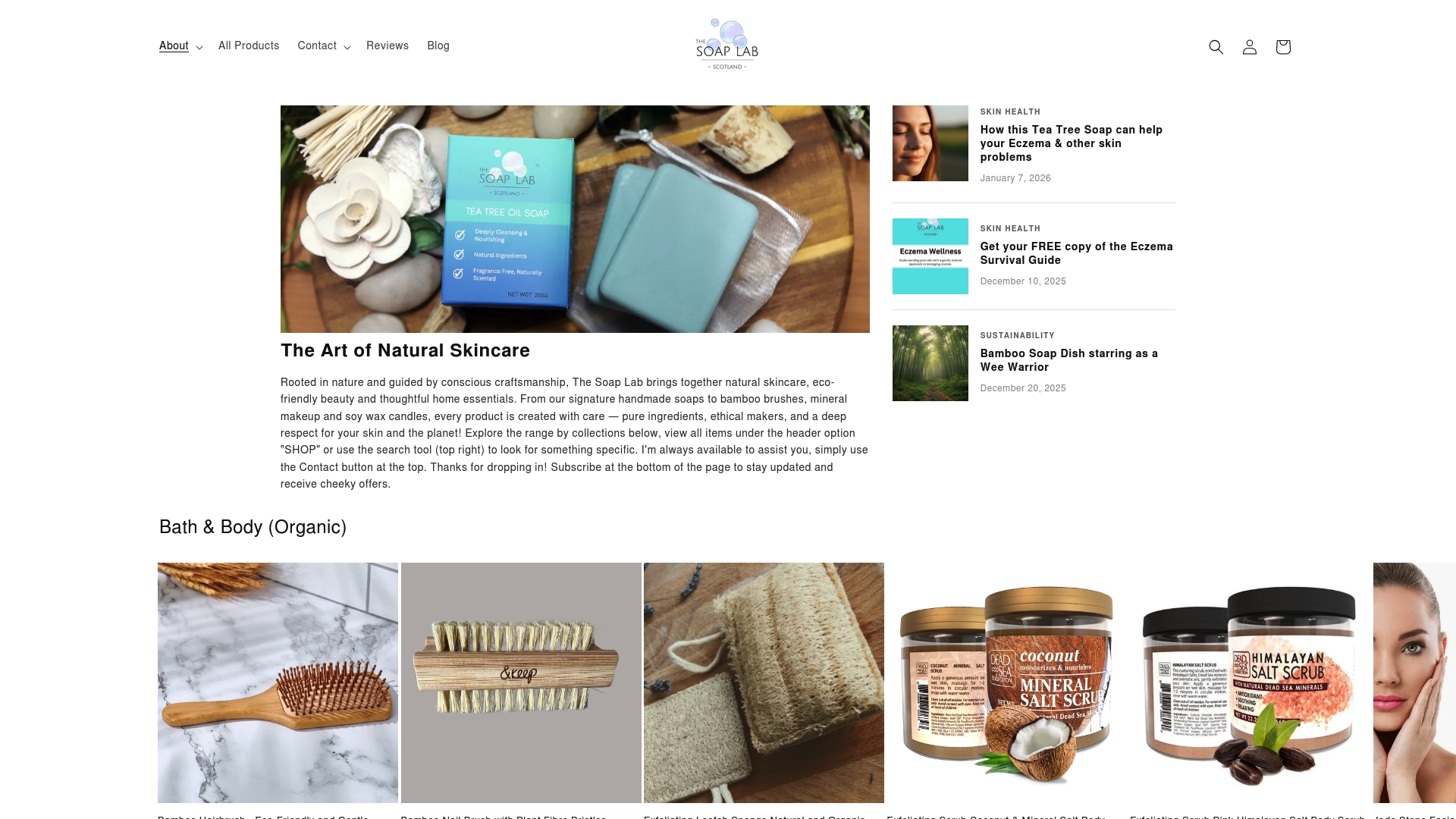
Discover a curated selection of Organic Personal Care Products and Facial Care - Plant Powered Goodness at The Soap Lab. Start your journey towards mindful, sustainable self-care today and enjoy the benefits of pure ingredients and conscious living. Visit The Soap Lab now to explore our handmade, eco-friendly range and make a positive change for your skin and the planet.
Frequently Asked Questions
How do handmade soaps benefit sensitive skin?
Handmade soaps provide gentle cleansing that respects the skin’s natural microbiome. Choose soaps with organic ingredients and perform a patch test to ensure compatibility before use.
Are handmade soaps free from chemicals?
Yes, handmade soaps are typically formulated without harsh synthetic chemicals and additives. Always check the ingredient list for recognisable, plant-based components to guarantee you are avoiding harmful substances.
What makes handmade soaps eco-friendly?
Handmade soaps use eco-friendly ingredients and sustainable packaging, minimising their environmental impact. Consider purchasing soaps that utilise recycled or compostable materials to support eco-friendly practices.
How do handmade soaps support local craftsmanship?
Buying handmade soaps helps preserve traditional skills and supports local artisans, contributing to fair wages and local economies. Engage with artisans about their processes to appreciate the cultural significance behind your purchase.
Can handmade soaps provide moisturising benefits?
Certainly! Handmade soaps often contain natural oils and butters that moisturise the skin instead of stripping it of its natural oils. Look for soaps with ingredients like shea butter and jojoba oil for optimal hydration.
How can I customise my experience with handmade soaps?
You can customise handmade soaps by selecting specific ingredients that address your skin needs and scent preferences. Consult with artisans to create a personalised soap tailored to your individual skincare requirements.
Recommended
- Handmade Soaps: Why They Matter for Sustainable Living – The Soap Lab Scotland
- Why Choose Handmade Soap: Benefits for Skin and Planet – The Soap Lab Scotland
- Why Handmade Soaps Matter for Skin Health – The Soap Lab Scotland
- Benefits of Handmade Soap | Health & Eco Reasons – The Soap Lab Scotland
- 7 Tallow Skincare Myths Every Mom Should Stop Believing – Moose’s Tallow



