

What Is Vegan Skincare and Why It Matters
Finding genuinely vegan skincare can feel confusing when every label shouts something different. For eco-conscious shoppers in the UK, this matters because the words on your cream or cleanser are about more than just ingredients. Understanding the real meaning behind vegan, cruelty-free, and sustainable skincare lets you make choices that are truly kind to your sensitive skin and the planet. This guide highlights the facts, busts common myths, and helps you recognise plant-based, ethical skincare you can trust.
Table of Contents
- Defining Vegan Skincare And Addressing Misconceptions
- Vegan, Cruelty-Free, And Natural: Spotting The Differences
- Key Ingredients And What Makes Skincare Vegan
- Certifications, Uk Labelling, And Ingredient Transparency
- Ethical, Environmental, And Skin Health Impacts
Key Takeaways
| Point | Details |
|---|---|
| Understanding Vegan Skincare | Vegan skincare products exclude all animal-derived ingredients and focus on plant-based, mineral, or synthetic alternatives. It is essential to read ingredient lists carefully due to lack of federal regulations defining vegan standards. |
| Distinctions between Labels | Vegan, cruelty-free, and natural skincare are not interchangeable; vegan focuses on ingredient sourcing, cruelty-free on animal testing, and natural on ingredient origins. Be vigilant when selecting products to ensure they meet your ethical standards. |
| Importance of Certifications | Look for trusted third-party certifications like The Vegan Society and PETA to guarantee a product’s vegan status. These certifications confirm that no animal-derived ingredients or animal testing were involved. |
| Benefits of Vegan Formulations | Vegan skincare is typically gentler on sensitive skin, utilising plant-based ingredients that promote skin health without harmful additives. This approach addresses concerns related to animal welfare and environmental impact simultaneously. |
Defining Vegan Skincare and Addressing Misconceptions
Vegan skincare refers to skin care products that contain no animal-derived ingredients or by-products. This means no collagen from animal sources, no beeswax, no lanolin, no carmine, or any other ingredient extracted from animals. Instead, these products use plant-based alternatives, minerals, and safe synthetic compounds to deliver the same benefits you’d find in traditional formulations. If you’re shopping for vegan options, understanding this distinction matters because no federal regulations define what makes a product vegan, so you genuinely need to read ingredient lists carefully.
Here’s where misconceptions tend to trip people up. Many assume that vegan skincare is only suitable for those following a vegan lifestyle, which simply isn’t true. Vegan skincare works brilliantly for anyone seeking gentle, effective options, regardless of their dietary choices. Another common misunderstanding is confusing vegan skincare with cruelty-free skincare, though these aren’t the same thing. A product can be cruelty-free without being vegan, or vice versa, depending on how it’s formulated and tested. Additionally, some people worry that vegan products lack proper preservatives, but this is a genuine misconception. Vegan skincare often contains natural or carefully selected synthetic preservatives that keep products safe and effective without relying on animal-derived compounds.
For your sensitive or reactive skin, vegan formulations can be particularly advantageous. Plant-based ingredients like rosehip oil, chamomile, and coconut oil naturally soothe inflammation and support your skin’s barrier function. Many people with eczema-prone skin find that eliminating animal-derived ingredients reduces irritation, though of course, individual reactions vary. The beauty of vegan skincare lies in its flexibility. You can find vegan moisturisers, cleansers, serums, and targeted treatments that address your specific concerns without the worry of hidden animal ingredients.
Pro tip: When shopping for vegan skincare, check for recognised certification symbols or explicitly stated “100% vegan” claims on packaging, since labelling standards aren’t federally mandated, making third-party verification your best assurance of genuinely vegan products.
Vegan, Cruelty-Free, and Natural: Spotting the Differences
These three labels often get tangled up, but they actually mean quite different things. Vegan skincare focuses on ingredients, excluding anything derived from animals like beeswax, lanolin, collagen, or carmine. Cruelty-free skincare, on the other hand, addresses testing practices—it means neither the finished product nor its individual ingredients were tested on animals. Natural skincare simply refers to products made primarily from naturally sourced ingredients, though this term has less standardised regulation. A product can easily fall into one category without being in another. You might find a moisturiser that’s vegan and cruelty-free but not particularly natural, or a natural cream that contains animal-derived ingredients and wasn’t tested on animals but still isn’t vegan.
Understanding these distinctions matters because vegan and cruelty-free represent separate ethical commitments. A product certified cruelty-free could still contain lanolin (from sheep’s wool) or honey, making it not vegan. Conversely, a vegan product might have been tested on animals in countries where that’s required by law, meaning it’s vegan but not cruelty-free. The most comprehensive approach combines both certifications. When you’re shopping for skincare that truly aligns with your values, look for products carrying recognisable symbols like the Leaping Bunny logo for cruelty-free verification or The Vegan Society certification mark for vegan confirmation. Many ethical brands now pursue both certifications simultaneously, which tells you they’re genuinely committed to avoiding animal exploitation at every stage.
For someone with sensitive skin seeking products that respect both your skin and your principles, combining these standards becomes especially valuable. Plant-based alternatives to traditional animal-derived ingredients often prove gentler on reactive skin anyway. Brands using certified plant-powered formulations tend to prioritise ingredient quality because they’re building trust with ethically-minded consumers. When you’re browsing options, don’t assume natural always means vegan or cruelty-free. Read the certification labels, check the ingredient list for hidden animal-derived compounds, and verify testing claims through official certifier websites. This small effort ensures you’re getting exactly what you think you’re purchasing.
Pro tip: Check product packaging for multiple certification badges rather than relying on brand claims alone, as third-party certifications from Leaping Bunny or The Vegan Society provide genuine assurance that both your values and your sensitive skin are properly protected.
To clarify the main skincare labelling terms, here’s a side-by-side comparison:
| Label Type | Main Focus | What It Guarantees | Common Misconception |
|---|---|---|---|
| Vegan | No animal-derived ingredients | All components sourced from plants, minerals, or synthetics | Often confused with cruelty-free claims |
| Cruelty-Free | No animal testing | No testing on animals during any stage | Sometimes thought to mean vegan |
| Natural | Uses mainly natural sources | Contains plant or mineral ingredients, not necessarily vegan or cruelty-free | Assumed safer or more ethical by default |
Key Ingredients and What Makes Skincare Vegan
What separates vegan skincare from everything else comes down to one simple rule: no animal-derived ingredients, full stop. This means brands formulating vegan products replace traditional animal-sourced compounds with plant-based, mineral, and synthetic alternatives that perform just as effectively. Instead of beeswax, they use candelilla wax or carnauba wax. Instead of collagen from animal tissue, they use plant proteins or peptides. Instead of lanolin from sheep’s wool, they use plant oils like jojoba or coconut. The transformation is straightforward on paper, but the real magic happens when you understand what these plant alternatives actually do for your skin.
Plant-based ingredients dominate vegan skincare formulations because they’re naturally rich in compounds your skin craves. Botanical extracts like rosehip oil, chamomile, and green tea provide antioxidant protection against environmental damage. Herbal components such as buckwheat, kokum, chia, and noni have been used traditionally for centuries, improving skin elasticity and hydration whilst maintaining safety and compatibility. Plant extracts, antioxidants, and bioactive peptides offer anti-inflammatory and antimicrobial benefits that support skin regeneration and collagen synthesis, making them genuinely effective rather than simply filling a marketing brief. Oils from avocado, olive, and argan provide deep nourishment without any animal involvement. Probiotics and fermented plant ingredients help balance your skin’s microbiome, which is particularly beneficial if you struggle with sensitivity or reactive skin. These ingredients aren’t chosen because they’re vegan, but because they work brilliantly and happen to align with plant-based principles.

When you’re reading ingredient lists on vegan products, you’ll spot some names that might seem unfamiliar. Sodium stearate, xanthan gum, and glycerin can all be plant-derived, though they’re also sometimes derived from animals, so context matters. This is precisely why certification matters so much. A genuinely vegan brand will have verified their entire supply chain to ensure every single ingredient, down to the preservatives and emulsifiers, comes from plant sources or minerals rather than animal tissues or by-products. The formulation work is more complex than conventional skincare, which is why ethical brands investing in proper vegan certification tend to produce genuinely high-quality products. Your sensitive skin benefits from this attention because it means fewer questionable ingredients overall.
Below is an overview of common animal-derived ingredients replaced in vegan skincare and their plant-based alternatives:
| Animal-Derived Ingredient | Typical Use in Skincare | Vegan Alternative |
|---|---|---|
| Beeswax | Thickening agent and barrier | Candelilla wax or carnauba wax |
| Lanolin | Moisturises and soothes | Jojoba oil or shea butter |
| Collagen | Firming and elasticity | Plant peptides or soy protein |
| Carmine | Red pigment for colour | Beetroot extract or synthetic dyes |
Pro tip: When comparing vegan skincare products, look beyond the ingredient list and check whether the brand holds third-party vegan certification, as this confirms every ingredient including preservatives and emulsifiers has been properly verified as plant-derived rather than animal-sourced.
Certifications, UK Labelling, and Ingredient Transparency
When you’re standing in front of skincare shelves trying to identify genuinely vegan products, the labels become your roadmap. However, without understanding what certifications actually mean, you could easily mistake marketing language for genuine verification. The UK market has specific labelling regulations that every ethical brand must follow, and knowing what to look for protects both your skin and your values. Ingredient transparency is no longer optional for trustworthy brands—it’s fundamental to how they build credibility with consumers like you who care about what you’re applying.
Third-party certifications provide the most reliable assurance that a product is genuinely vegan. The Vegan Trademark, operated by The Vegan Society, represents one of the most recognised symbols in the UK market. PETA’s Beauty Without Bunnies programme offers another trusted certification option. These certifications matter because they verify the entire supply chain, not just final ingredients. A brand displaying these symbols has undergone rigorous audits confirming that no animal testing occurred and no animal-derived ingredients made their way into the product. Consumer confusion between vegan and cruelty-free labels remains widespread, with vegan cosmetic products representing 45% of registered items with The Vegan Society trademark, yet many shoppers still struggle to distinguish between legitimate certifications and unsubstantiated claims.
On the UK labelling front, regulations require specific information on every product you purchase. Ingredient lists must appear in English, showing every component in descending order by weight. The Responsible Person’s name and address must be clearly displayed, along with the product’s origin country and net content. Post-Brexit changes introduced a UK-specific Cosmetic Product Notification service, meaning brands must register products for market surveillance. UK cosmetic labelling regulations demand transparency that strengthens consumer trust and product safety, which directly benefits you when selecting vegan skincare. When you read an ingredient list, every single component should make sense—if names seem deliberately obscured or marketing language replaces ingredient transparency, that’s a red flag.
For sensitive skin particularly, ingredient transparency becomes doubly important. Unknown ingredients could trigger reactions, so trustworthy brands provide detailed information about sourcing, processing, and purpose. Many ethical UK brands now go beyond minimum labelling requirements, offering detailed breakdowns of botanical origins and extraction methods on their websites or packaging. This extra transparency signals genuine commitment to their craft.
Pro tip: Always verify certifications directly through The Vegan Society or PETA websites rather than trusting brand claims alone, as this confirms the product holds current, legitimate verification rather than marketing language using similar-sounding terminology.
Ethical, Environmental, and Skin Health Impacts
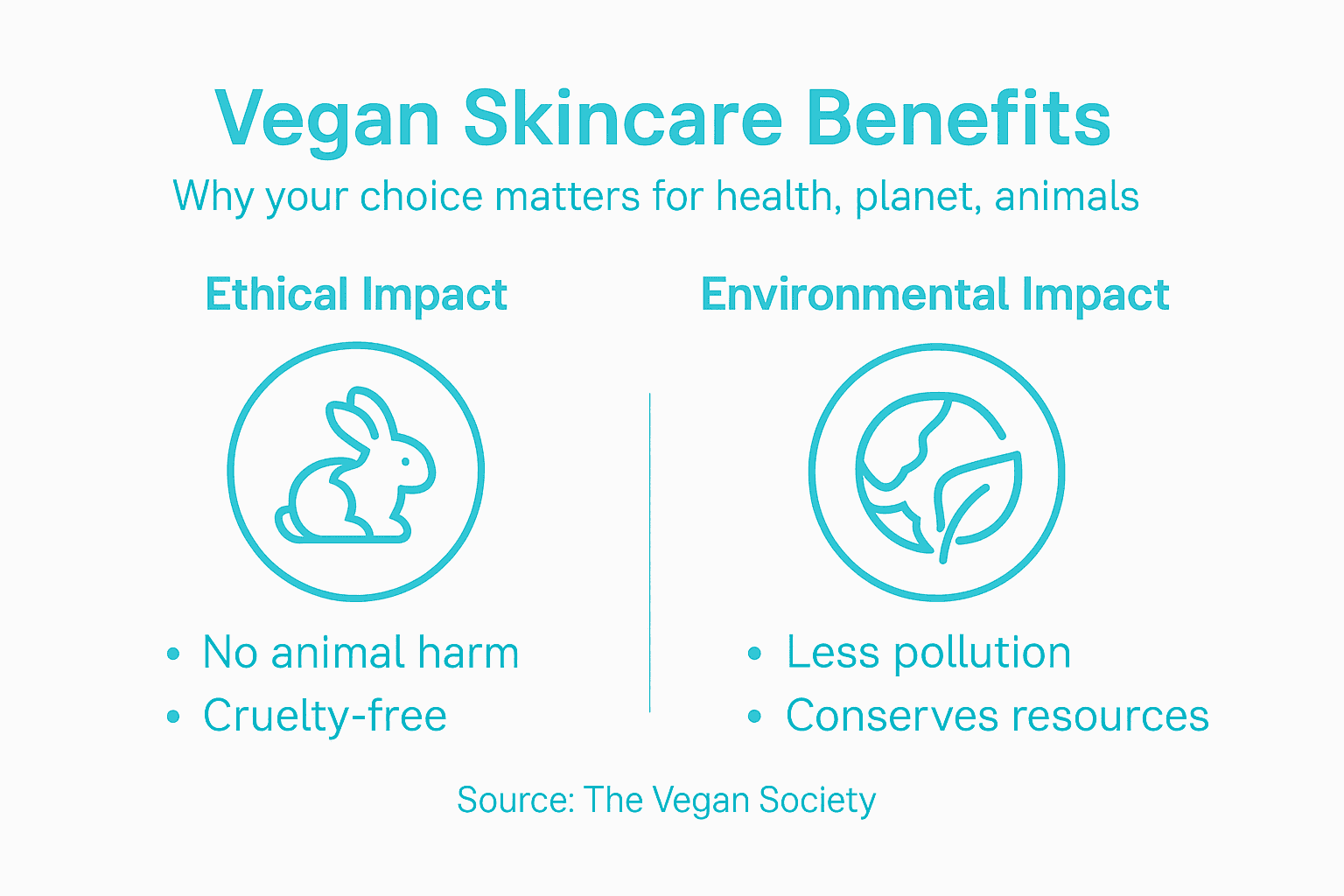
Choosing vegan skincare isn’t just about what you put on your face. It’s a decision that ripples outward, affecting animals, our planet, and ultimately your own skin health. When you select vegan products, you’re actively supporting an approach to beauty that eliminates animal suffering from the entire supply chain. No animals are harmed for ingredients, no testing occurs on rabbits or guinea pigs, and no by-products from livestock farming find their way into your moisturiser. This ethical foundation appeals deeply to eco-conscious shoppers who understand that true beauty shouldn’t come at the cost of animal welfare.
The environmental benefits run equally deep. Conventional skincare often relies on animal-derived ingredients sourced through livestock farming, which drives significant environmental damage including deforestation, water pollution, and substantial greenhouse gas emissions. Vegan skincare reduces these harms by excluding animal-derived ingredients and supporting sustainable sourcing practices, which means your skincare choices directly lower your carbon footprint. Plant-based alternatives require considerably less land, water, and resources to produce. Many vegan brands go further, adopting recyclable or compostable packaging and supporting regenerative agriculture. By switching to vegan skincare, you’re not just making a personal choice—you’re voting with your wallet for a more sustainable beauty industry.
For your skin specifically, vegan formulations offer genuine health advantages. Plant-based ingredients are naturally abundant in vitamins, antioxidants, and bioactive compounds that nourish skin without the questionable additives found in conventional products. Cruelty-free and vegan skincare products often avoid harmful additives and support your skin’s natural microbiome, meaning your skin barrier remains healthier and more resilient. If you struggle with sensitivity or eczema-prone skin, this matters considerably. Synthetic preservatives and chemical irritants common in conventional skincare can trigger reactions, whilst plant-derived alternatives tend to be gentler. Your skin thrives when given clean, intentional ingredients free from unnecessary chemicals. Ethical brands building their formulations around vegan principles typically invest more thought into each ingredient’s purpose, resulting in genuinely effective products rather than formulations based purely on cost-cutting.
What makes this especially powerful is that all three benefits work together. Your choice to use vegan skincare supports animal welfare, reduces environmental harm, and improves your skin’s health simultaneously. You’re not compromising in any direction—you’re gaining across the board.
Pro tip: When transitioning to vegan skincare, introduce new products gradually over 2-3 weeks rather than changing your entire routine at once, allowing your skin to adjust and helping you identify any individual ingredient sensitivities.
Embrace Truly Vegan Skincare That Respects Your Values and Your Skin
Choosing vegan skincare means more than avoiding animal-derived ingredients. It is about nurturing sensitive or reactive skin with plant-powered goodness while supporting ethical and sustainable beauty choices. If you want products that deliver effective, gentle care without compromise, explore our Facial Care - Plant Powered Goodness collection at The Soap Lab. Each item is crafted to replace traditional animal-based components with nourishing botanical alternatives, carefully selected to soothe and protect your skin.
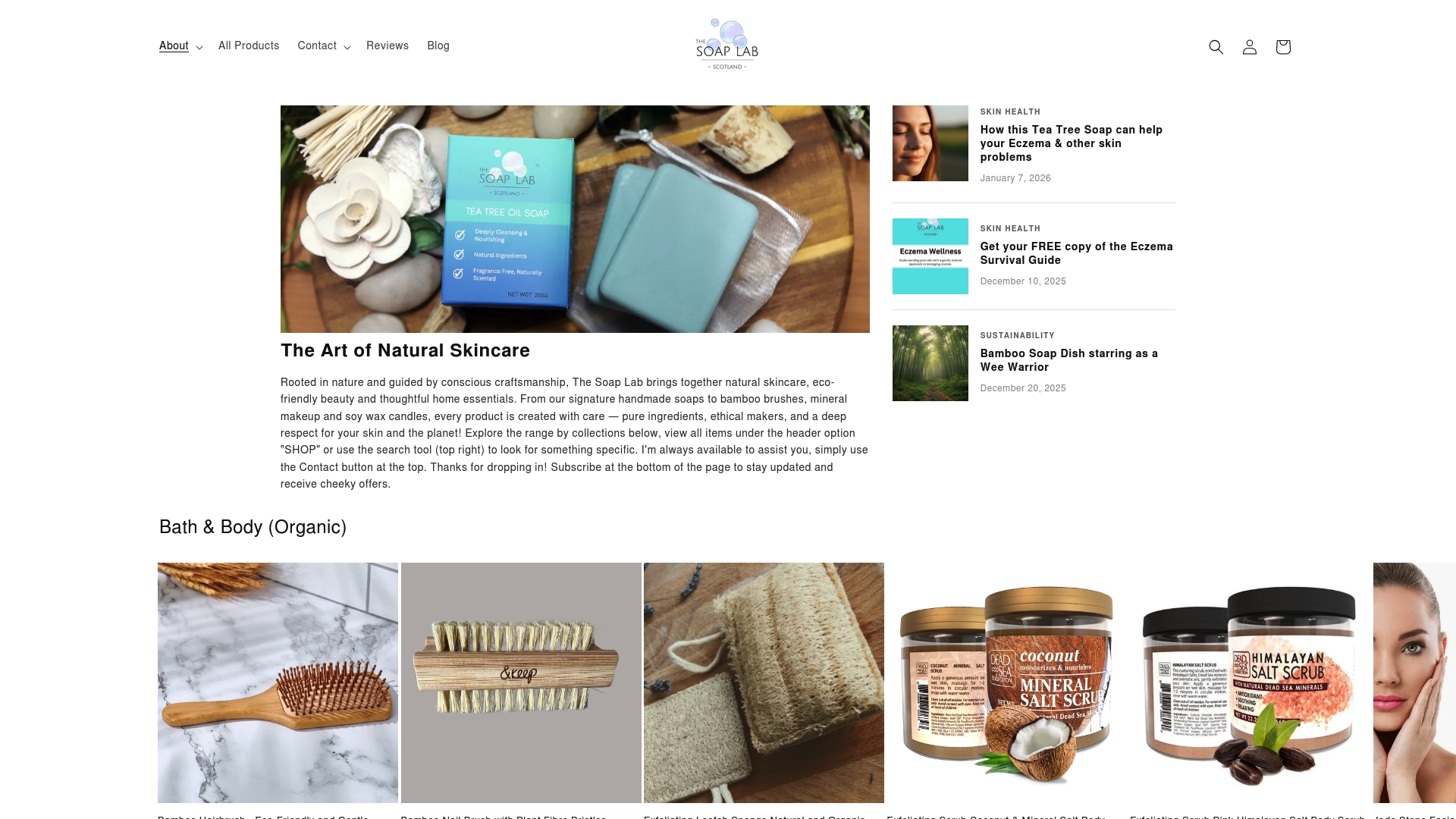
Discover the confidence that comes from transparency and genuine certification supported by thoughtfully created formulas. Visit The Soap Lab to browse our full range of Organic Personal Care Products designed to align with your ethical standards and skincare needs. Act now to experience skincare that honours your principles while revitalising your natural beauty.
Frequently Asked Questions
What is vegan skincare?
Vegan skincare refers to products that contain no animal-derived ingredients or by-products, focusing instead on plant-based alternatives and safe synthetic compounds.
How does vegan skincare benefit sensitive skin?
Vegan skincare often contains gentle, plant-based ingredients like rosehip oil and chamomile that soothe inflammation and support the skin’s barrier function, making it suitable for sensitive or reactive skin types.
What is the difference between vegan and cruelty-free skincare?
Vegan skincare excludes all animal-derived ingredients, while cruelty-free skincare ensures that no animal testing occurs. A product can be cruelty-free but still contain animal-derived ingredients.
Why is it important to check for certifications in vegan skincare products?
Certifications like those from The Vegan Society or PETA confirm that products are genuinely vegan, verifying the entire supply chain and ensuring no animal-derived ingredients or testing occurred.



