

What Defines Vegan Skincare: Ethics, Impact, Choices
Shopping for truly ethical skincare can feel overwhelming when hidden animal-derived ingredients often slip into formulas unannounced. For eco-conscious millennials across the UK, the desire to maintain a radiant routine goes hand in hand with demands for sustainability, cruelty-free practices, and transparent sourcing. This guide breaks down the core principles of vegan skincare, helping you navigate the choices that best align with your values, so you can care for your skin and the world around you with confidence.
Table of Contents
- Core Principles Of Vegan Skincare
- Animal-Derived Ingredients And Alternatives
- Cruelty-Free And Ethical Standards
- Certifications, Labels And Legal Compliance
- Risks Of Misleading Vegan Claims
- Comparing Vegan With Other Skincare Types
Key Takeaways
| Point | Details |
|---|---|
| Vegan Skincare Principles | It focuses on zero animal ingredients, cruelty-free practices, environmental responsibility, and transparent manufacturing. |
| Ingredient Alternatives | Plant-based substitutes effectively replace traditional animal-derived components, ensuring ethical and functional skincare. |
| Importance of Certifications | Look for recognised certifications to verify product claims and ensure ethical sourcing and animal welfare adherence. |
| Consumer Vigilance Needed | Always read labels carefully, as misleading vegan claims can pose risks, particularly for those with allergies or sensitivities. |
Core Principles Of Vegan Skincare
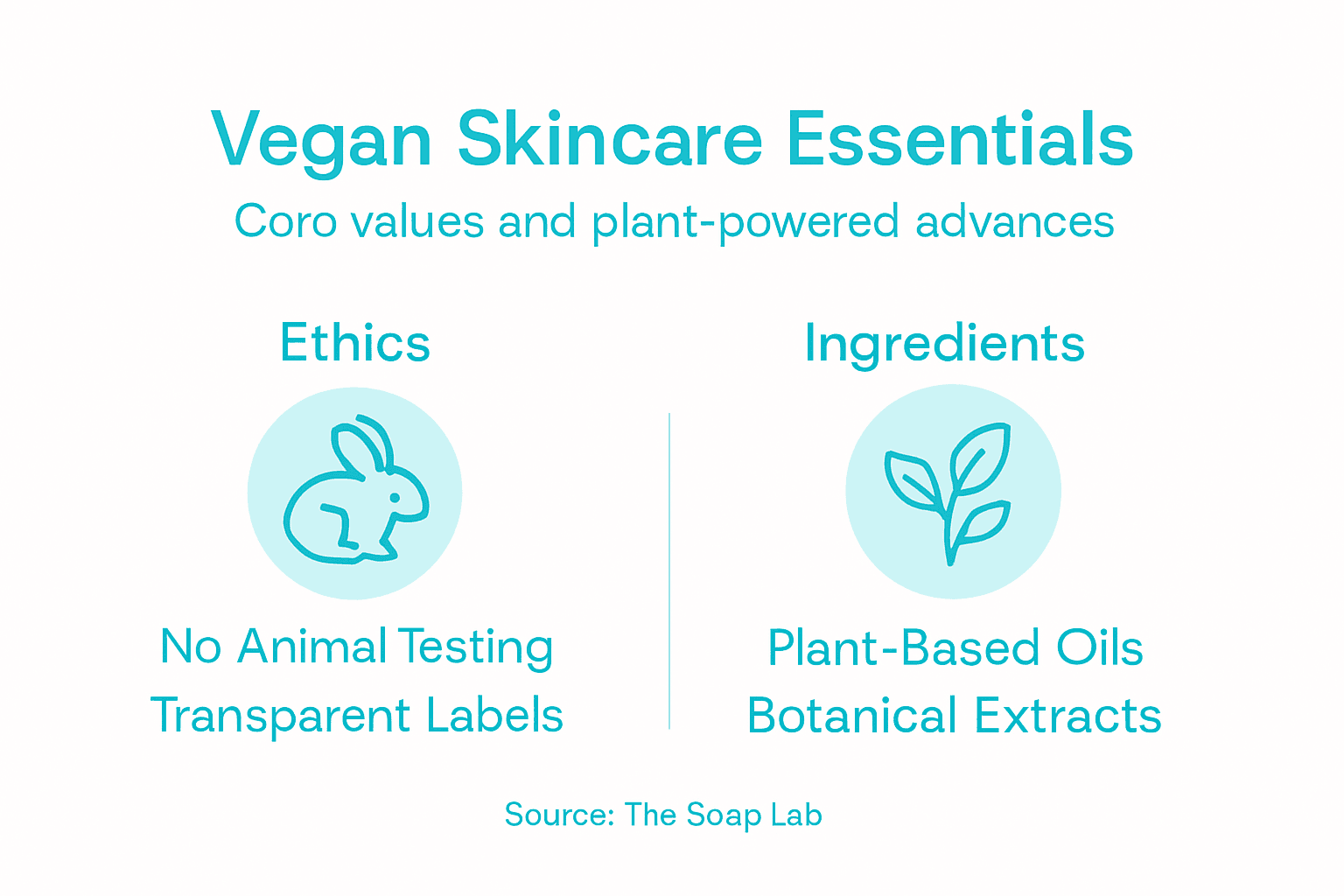
Vegan skincare represents a holistic approach to beauty that goes far beyond product ingredients. At its heart, this philosophy prioritises ethical production, animal welfare, and environmental sustainability. Vegan skincare fundamentally excludes any animal-derived substances, focusing instead on plant-based and synthetic alternatives that deliver exceptional results without compromise.
The core principles of vegan skincare are built upon several critical foundations:
- Zero Animal Ingredients: Complete elimination of substances like honey, beeswax, lanolin, collagen, and keratin
- Cruelty-Free Commitment: Absolute prohibition of animal testing at every development stage
- Environmental Responsibility: Sustainable sourcing of ingredients and eco-friendly packaging
- Transparent Manufacturing: Clear labeling and honest communication about product composition
Moreover, these principles extend beyond simply avoiding animal products. Ethical vegan skincare demands rigorous conformity testing to confirm ingredient purity, ensuring that every component meets stringent natural and sustainable standards. This means prioritising certified organic plant materials, wild-collected botanical extracts, and synthetic alternatives that are both safe and effective.
Advanced vegan skincare brands are now pioneering innovative approaches that challenge traditional beauty industry norms. They’re proving that high-performance skincare can be achieved without exploiting animals or compromising environmental integrity. By selecting plant-derived ingredients scientifically proven to nourish and protect skin, these brands demonstrate that ethical choices need not come at the expense of efficacy.
Pro tip: When selecting vegan skincare, always examine ingredient lists carefully and look for clear certifications that validate the product’s ethical commitments.
Animal-Derived Ingredients And Alternatives
Vegan skincare demands a comprehensive understanding of the ingredients typically sourced from animal products and their innovative plant-based replacements. Plant-derived materials are increasingly validated as safe and functional alternatives that deliver exceptional skincare benefits without ethical compromises.
Traditional animal-derived ingredients commonly found in cosmetics include:
- Lanolin: A waxy substance from sheep’s wool
- Beeswax: Produced by honey bees for honeycomb construction
- Collagen: Protein extracted from animal connective tissues
- Carmine: Red pigment derived from crushed insects
- Gelatin: Protein obtained from animal bones and skin
- Honey: A sweet substance produced by bees
Fortunately, modern skincare science has developed remarkable plant-based alternatives that match or exceed the performance of animal-derived ingredients. Manufacturers now meticulously review ingredient sourcing to ensure complete vegan compliance. These alternatives include:
- Jojoba or sunflower oils replacing animal-based moisturizers
- Candelilla wax as a substitute for beeswax
- Synthetic or mineral pigments instead of carmine
- Polysaccharides like agar-agar replacing gelatin
Plant-based compounds offer remarkable skin benefits, including wound healing and barrier support, without compromising ethical standards. By selecting scientifically validated botanical ingredients, vegan skincare brands demonstrate that performance and compassion can coexist seamlessly.
Here is a summary of typical animal-derived skincare ingredients and their vegan replacements:
| Animal Ingredient | Vegan Alternative | Key Benefit |
|---|---|---|
| Beeswax | Candelilla wax | Plant-based moisture barrier |
| Lanolin | Jojoba oil | Gentle, non-irritating hydration |
| Collagen | Peptides from yeast | Firming and plumping effect |
| Gelatin | Agar-agar | Safe gelling for masks |
| Carmine | Mineral pigments | Intensive red hues without insects |
| Honey | Agave syrup | Natural humectant action |
Pro tip: Always carefully read ingredient lists and look for clear vegan certifications to ensure your skincare products are truly free from animal-derived substances.
Cruelty-Free And Ethical Standards
The landscape of ethical skincare has dramatically transformed, with consumers demanding transparency and compassion in product development. Consumer demand for cruelty-free cosmetics reflects a profound shift towards more conscious and responsible beauty practices.
Key ethical standards in vegan skincare encompass several critical principles:
- No Animal Testing: Absolute prohibition of animal experiments at any development stage
- Ingredient Transparency: Complete disclosure of product composition
- Welfare Commitment: Ensuring no animal suffers in the production process
- Sustainable Sourcing: Using plant-based or synthetic alternatives
- Supply Chain Accountability: Verifying ethical practices throughout production
Certification Bodies play a crucial role in maintaining these standards. Certification organizations provide transparent auditing frameworks that help consumers identify genuinely ethical products. Organisations like Leaping Bunny and The Vegan Society have developed rigorous standards that go beyond surface-level claims, conducting comprehensive investigations into manufacturing processes.
Modern ethical skincare brands understand that consumers are increasingly sophisticated, seeking more than just marketing promises. They are building trust through genuine commitments to animal welfare, environmental sustainability, and transparent manufacturing processes. This approach not only protects animal lives but also demonstrates a holistic approach to beauty that considers broader ethical implications.
Pro tip: Look for multiple certification logos on product packaging, and don’t hesitate to research the specific standards behind each certification.
Certifications, Labels And Legal Compliance
The world of vegan skincare certifications is complex and nuanced, requiring meticulous attention to detail and comprehensive understanding. Vegan cosmetic compliance demands strict verification of ingredients, manufacturing processes, and ethical standards.
Most prominent vegan and cruelty-free certification organisations include:
- PETA: People for the Ethical Treatment of Animals
- Leaping Bunny: International cruelty-free certification
- The Vegan Society: Pioneering vegan product verification
- V-Label: European vegan and vegetarian certification
- Vegetarian Society: Ethical product standards
Certification processes typically involve comprehensive auditing of beauty product standards that go far beyond simple ingredient lists. Quality managers must navigate intricate supply chain documentation, verify ingredient origins, and ensure absolute absence of animal-derived substances. These rigorous standards help prevent potential greenwashing and protect consumer interests.
The certification landscape continues to evolve, with increasingly sophisticated verification methods. Brands must now demonstrate not just the absence of animal ingredients, but also prove ethical sourcing, sustainable production, and transparent manufacturing practices. This holistic approach reflects growing consumer demand for genuine corporate responsibility and environmental stewardship.
Pro tip: Always cross-reference multiple certification logos and research their specific standards to ensure genuine ethical compliance.
The table below compares leading vegan and cruelty-free certification bodies:
| Organisation | Region | Main Focus | Notable Requirement |
|---|---|---|---|
| The Vegan Society | UK and globally | Vegan-only products | Complete absence of animal inputs |
| Leaping Bunny | International | Cruelty-free standards | Zero animal testing, any stage |
| PETA | Worldwide | Animal rights awareness | No animal testing or ingredients |
| V-Label | Europe | Vegan/vegetarian foods | Third-party ingredient audit |
Risks Of Misleading Vegan Claims
Vegan labelling represents a complex landscape fraught with potential misrepresentation and consumer risk. Research reveals significant challenges in vegan product verification, exposing critical vulnerabilities in current regulatory frameworks that can compromise consumer safety.
Most prevalent risks associated with misleading vegan claims include:
- Cross-Contamination: Potential presence of animal-derived ingredients
- Allergen Exposure: Hidden animal proteins threatening sensitive consumers
- Misleading Marketing: Exploiting consumer trust through ambiguous labelling
- Inadequate Certification: Lack of standardised verification processes
- Legal Loopholes: Insufficient regulatory oversight in product claims
UK Food Standards Agency warnings highlight significant consumer risks associated with products labelled as ‘vegan’. These risks extend beyond dietary preferences, potentially exposing individuals with specific allergies to dangerous cross-contamination scenarios. Consumers with milk, egg, fish, or shellfish allergies remain particularly vulnerable to misleading product representations.
Navigating this complex terrain requires vigilance. Consumers must critically examine product labels, understand certification standards, and recognise that a ‘vegan’ label does not automatically guarantee absolute safety or complete absence of animal-derived substances. Transparency and rigorous third-party verification remain crucial in protecting consumer interests.
Pro tip: Always contact manufacturers directly to confirm precise ingredient sourcing and potential cross-contamination risks before purchasing vegan-labelled products.
Comparing Vegan With Other Skincare Types
Skincare categories differ substantially in their philosophical approach, ingredient sourcing, and ethical considerations. Vegan skincare products prioritise sustainability through a comprehensive commitment to animal welfare and environmental responsibility.
Key comparative characteristics across skincare types include:
-
Conventional Skincare:
- Contains animal-derived ingredients
- Potentially involves animal testing
- Less transparent supply chains
- Lower environmental accountability
-
Vegan Skincare:
- 100% plant-based ingredients
- Strict no-animal-testing policy
- Transparent ingredient sourcing
- Environmentally conscious production
-
Organic Skincare:
- Focuses on pesticide-free ingredients
- May still use animal-derived components
- Emphasises natural cultivation methods
- Limited ethical manufacturing considerations
-
Cruelty-Free Skincare:
- No animal testing
- May contain animal-derived ingredients
- Less comprehensive ethical approach
- Limited focus on ingredient origins
Vegan skincare stands out by offering a holistic approach that transcends mere ingredient selection. It represents a comprehensive ethical stance that considers animal welfare, environmental sustainability, and consumer health as interconnected priorities. Unlike other skincare categories that might focus on singular aspects, vegan skincare demands a multi-dimensional commitment to responsible production.
Pro tip: When comparing skincare types, always examine the full ingredient list and certification standards, not just marketing claims.
Embrace Ethical Beauty with Vegan Skincare Essentials
Understanding the true meaning of vegan skincare means recognising the importance of pure, plant-based ingredients and cruelty-free practices that protect our planet and its inhabitants. If you want to avoid animal-derived components and support environmental responsibility, turning to products that prioritise these core values is essential. At The Soap Lab, we share your commitment to sustainability and ethical self-care.
Explore our carefully curated selection of Facial Care - Plant Powered Goodness and Organic Personal Care Products, designed to nourish your skin with ingredients you can trust. Every item embodies transparency, cruelty-free standards, and natural formulation, so you can feel confident about what you put on your skin.

Start your journey towards conscious beauty today at The Soap Lab. Choose products that combine scientific innovation with ethical commitment. Shop now for skincare that truly reflects your values and experience the powerful benefits of authentic vegan care.
Frequently Asked Questions
What are the core principles of vegan skincare?
Vegan skincare is defined by several core principles, including the complete exclusion of animal-derived ingredients, a commitment to cruelty-free practices, environmental responsibility through sustainable sourcing, and transparent manufacturing processes.
How do vegan skincare products differ from conventional skincare products?
Vegan skincare products are entirely plant-based and do not involve animal testing, while conventional skincare may contain animal-derived ingredients and could be tested on animals. Vegan options prioritise ethical considerations and environmental sustainability.
What are common animal-derived ingredients found in skincare, and what are their vegan alternatives?
Common animal-derived ingredients in skincare include lanolin, beeswax, collagen, and gelatin. Vegan alternatives for these ingredients include jojoba oil, candelilla wax, peptides from yeast, and agar-agar, all of which provide similar skincare benefits without ethical concerns.
Why is it important to look for certifications in vegan skincare?
Certifications such as those from PETA, Leaping Bunny, and The Vegan Society ensure that products meet specific ethical standards regarding animal testing and ingredient sourcing. These certifications help consumers identify genuinely vegan and cruelty-free products, reducing the risk of misleading claims.
Recommended
- Vegan Skincare Products: Impact on Sustainability and Skin – The Soap Lab Scotland
- What Is Vegan Skincare and Why It Matters – The Soap Lab Scotland
- What Are Vegan Beauty Products and Why They Matter – The Soap Lab Scotland
- 7 Essentials for an Eco-Friendly Skincare Ingredients Checklist – The Soap Lab Scotland



