

Sustainability in Skincare – Why It Matters Now
Finding truly sustainable skincare can feel complicated when every product claims to be eco-friendly. For British millennials choosing natural solutions, the real challenge lies in recognising genuine sustainability that protects the planet and respects people. This guide demystifies how responsible ingredient sourcing, ethical labour, and holistic production shape authentic sustainable beauty—helping you make choices that nurture your skin and the environment without harmful chemicals.
Table of Contents
- Defining Sustainability In Skincare Today
- Key Sustainable Ingredients And Sourcing
- Eco-Friendly Packaging And Manufacturing Methods
- Regenerative Practices And Circular Beauty Trends
- How Sustainable Choices Impact Skin And Planet
- Common Pitfalls And Navigating Greenwashing
Key Takeaways
| Point | Details |
|---|---|
| Holistic Sustainability Approach | Modern skincare sustainability encompasses environmental, social, and economic factors across the entire product lifecycle. |
| Demand for Transparency | Consumers increasingly seek brands that transparently communicate their sustainability efforts and validate their environmental claims. |
| Importance of Ingredient Sourcing | Sustainable skincare relies on regenerative, ethical sourcing practices that promote ecological health and community support. |
| Navigating Greenwashing | Consumers must be vigilant against greenwashing by looking for specific, verifiable sustainability practices rather than vague claims. |
Defining Sustainability in Skincare Today
Sustainability in skincare represents a holistic approach that goes far beyond simple eco-friendly packaging. Comprehensive research on sustainable cosmetics reveals a multidimensional framework encompassing environmental, social, and economic considerations throughout a product’s entire lifecycle.
This nuanced perspective transforms sustainability from a buzzword into a strategic approach that considers multiple interconnected aspects of product development. Key dimensions include:
- Environmental Impact: Reducing carbon footprint, minimising waste, and selecting responsibly sourced ingredients
- Social Responsibility: Ensuring ethical labour practices, fair compensation, and community support
- Economic Sustainability: Creating products that are economically viable while maintaining ecological integrity
Modern sustainable skincare isn’t merely about creating green products; it’s about reimagining the entire production ecosystem. Holistic sustainability strategies examine every stage from ingredient sourcing to final distribution, ensuring each step aligns with comprehensive ecological and ethical standards.
The approach demands rigorous transparency, requiring brands to communicate their sustainability practices openly and validate their environmental claims. Consumers are increasingly seeking brands that demonstrate genuine commitment to ecological principles, not just superficial green marketing.
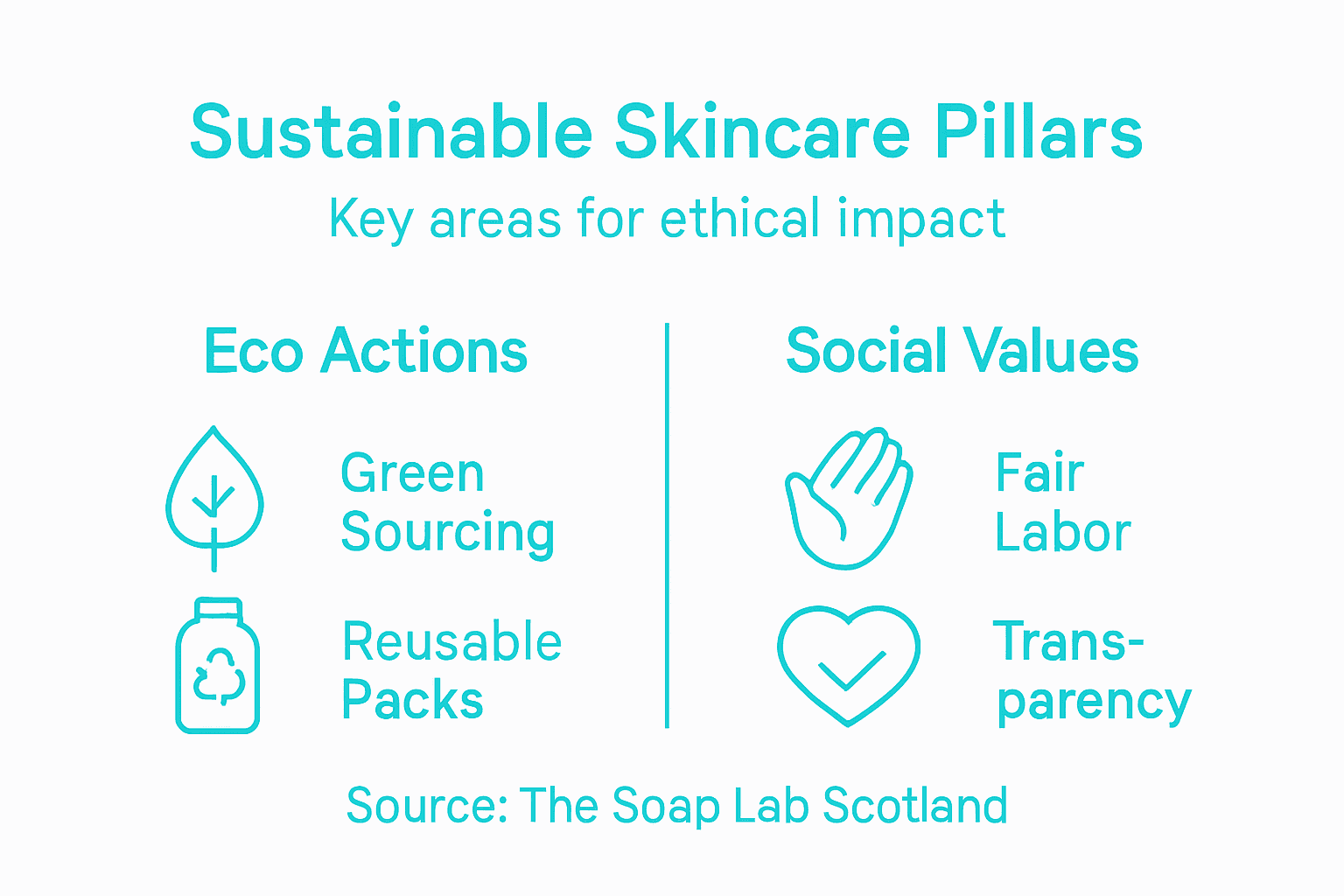
To illustrate the multidimensional nature of sustainability in skincare, here is a summary of the three key pillars and their distinct business impacts:
| Pillar | Main Focus | Typical Business Benefits |
|---|---|---|
| Environmental | Resource efficiency and emission reduction | Lower operating costs, compliance |
| Social | Ethics and community involvement | Brand loyalty, positive reputation |
| Economic | Longevity and transparent supply chains | Stable sourcing, risk mitigation |
Pro tip: When evaluating a skincare brand’s sustainability credentials, look beyond packaging and examine their entire production philosophy, ingredient sourcing, and corporate social responsibility practices.
Key Sustainable Ingredients and Sourcing
Sustainable skincare ingredients represent a complex intersection of environmental responsibility, ethical sourcing, and product efficacy. Comparative ingredient sustainability analyses reveal the intricate environmental considerations behind every ingredient choice.
Key sustainable ingredient characteristics include:
- Regenerative Sourcing: Ingredients that support ecosystem restoration
- Low Water Consumption: Plant-based materials with minimal water requirements
- Biodiversity Protection: Ingredients harvested without disrupting natural habitats
- Carbon Footprint Minimisation: Materials with reduced greenhouse gas emissions
Modern sustainable skincare explores diverse sourcing strategies, including biotechnological innovations and alternative ingredient platforms. Innovative sustainable sourcing methods demonstrate how green biotechnology and marine-based ingredients are transforming product development.
The most progressive brands now view ingredient sourcing as a holistic process, considering not just environmental impact, but also social responsibility, worker welfare, and long-term ecological preservation. This approach demands transparency, traceability, and a commitment to regenerative practices that support both human and environmental well-being.
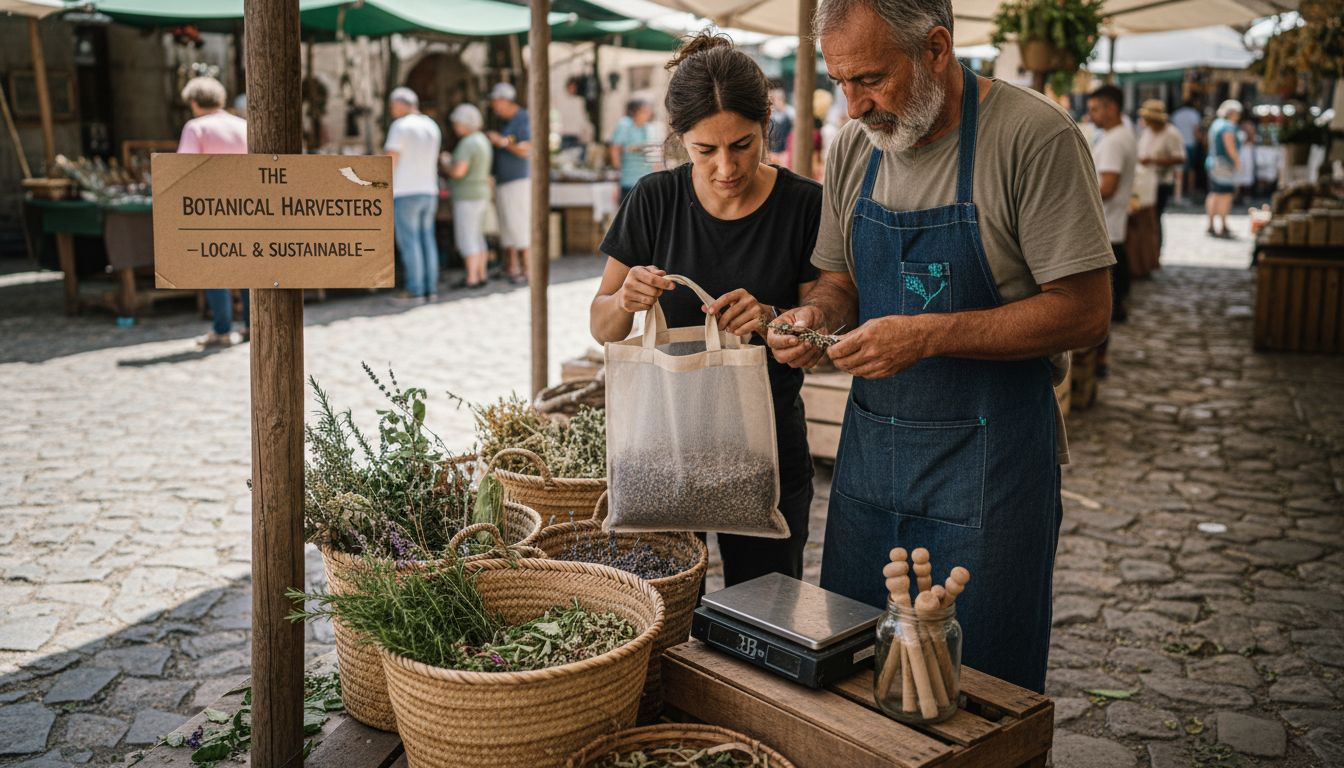
For clarity, here’s a comparison of sustainable ingredient sourcing approaches and their broader environmental outcomes:
| Sourcing Approach | Main Practice | Broader Environmental Outcome |
|---|---|---|
| Regenerative farming | Soil restoration and biodiversity | Enhanced ecosystem resilience |
| Green biotechnology | Lab-cultivated ingredients | Reduced wild harvesting pressure |
| Ethical trade | Fair compensation and transparency | Conservation and social empowerment |
Pro tip: When selecting sustainable skincare products, research brands that provide detailed information about their ingredient origins, extraction methods, and environmental certification.
Eco-Friendly Packaging and Manufacturing Methods
Sustainable packaging has emerged as a critical frontier in the skincare industry’s environmental responsibility. Innovative packaging solutions are transforming how brands approach product design, focusing on minimising environmental impact throughout the entire production lifecycle.
Key sustainable packaging strategies include:
- Biodegradable Materials: Plant-based packaging that naturally decomposes
- Refillable Containers: Reducing single-use packaging waste
- Minimalist Design: Reducing overall material consumption
- Recycled Content: Using post-consumer recycled materials
- Carbon-Neutral Manufacturing: Offsetting production emissions
Consumer demand is rapidly driving these innovations. Green packaging trends demonstrate increasing expectations for transparency, with consumers actively seeking brands that demonstrate genuine environmental commitment beyond superficial marketing claims.
Modern manufacturing methods now prioritise circular economy principles, viewing waste not as an endpoint but as a potential resource. This approach involves comprehensive lifecycle assessments, where every stage of production—from ingredient sourcing to final packaging—is scrutinised for environmental efficiency and potential improvement.
Pro tip: Look for brands that provide detailed sustainability reports, demonstrating their commitment to transparent and verifiable environmental practices.
Regenerative Practices and Circular Beauty Trends
Regenerative beauty represents a radical transformation in skincare philosophy, moving beyond mere sustainability to actively restore and heal ecological systems. Comprehensive cosmetic sustainability strategies demonstrate how brands are reimagining product development through a holistic, ecosystem-centric approach.
Key principles of regenerative beauty include:
- Ecosystem Restoration: Supporting agricultural practices that rebuild soil health
- Waste Elimination: Creating closed-loop production systems
- Biodiversity Protection: Sourcing ingredients that support local ecological networks
- Carbon Sequestration: Implementing production methods that actively reduce atmospheric carbon
- Community Empowerment: Supporting local agricultural communities
Circular beauty trends are fundamentally redesigning how skincare products are conceived, manufactured, and consumed. This approach goes beyond traditional recycling, viewing each product as part of a continuous, regenerative cycle where waste becomes a resource and production supports ecological healing.
The most progressive brands are now integrating regenerative principles throughout their entire value chain, recognising that true sustainability requires a fundamental reimagining of how beauty products interact with environmental and social systems. This means investing in agricultural practices that rebuild soil health, supporting local communities, and designing products with their entire lifecycle in mind.
Pro tip: Research skincare brands that transparently share their regenerative practices, looking for detailed information about their agricultural sourcing, carbon offsetting, and community support initiatives.
How Sustainable Choices Impact Skin and Planet
Sustainable skincare transcends environmental responsibility, creating a profound intersection between personal health and ecological wellness. Eco-friendly skincare practices demonstrate remarkable benefits for both individual well-being and global ecosystems.
Key impacts of sustainable skincare choices include:
- Reduced Chemical Exposure: Minimising synthetic ingredient absorption
- Skin Microbiome Protection: Supporting natural skin barrier function
- Lower Environmental Pollution: Decreasing chemical contamination in water systems
- Biodiversity Preservation: Supporting ethical ingredient sourcing
- Long-term Health Outcomes: Preventing potential chronic skin conditions
Sustainable dermatological practices reveal that environmentally conscious product choices directly correlate with improved skin health and reduced ecological damage. By eliminating toxic substances and promoting biocompatible formulations, consumers can simultaneously nurture their skin and support planetary well-being.
The holistic approach recognises that individual choices ripple through complex ecological systems. Each sustainable skincare decision represents a micro-intervention that collectively contributes to broader environmental restoration and personal health preservation.
Pro tip: Choose skincare products with transparent ingredient lists, prioritising brands that demonstrate genuine commitment to both human and environmental health.
Common Pitfalls and Navigating Greenwashing
Greenwashing has become a pervasive challenge in the sustainable skincare landscape, where marketing claims often outpace genuine environmental commitments. Sustainable practices in beauty industry reveal the critical need for consumer vigilance and transparent communication.
Key signs of greenwashing include:
- Vague Environmental Claims: Broad statements without specific evidence
- Misleading Imagery: Nature-themed packaging with minimal actual sustainability
- Partial Truths: Highlighting one eco-friendly aspect while ignoring broader environmental impact
- Unverified Certifications: Using self-created ‘eco’ labels without independent validation
- Greenwashing Buzzwords: Overusing terms like ‘natural’, ‘green’, or ‘eco-friendly’
Navigating these marketing tactics requires a critical and informed approach. Consumers must look beyond superficial claims, demanding comprehensive transparency about ingredient sourcing, manufacturing processes, and genuine environmental commitments.
The most effective strategy involves researching brands thoroughly, understanding their complete sustainability framework, and supporting companies that demonstrate measurable, holistic environmental responsibility rather than making tokenistic gestures.
Pro tip: Always cross-reference sustainability claims with independent certification bodies and look for detailed, specific information about a brand’s environmental practices.
Embrace True Sustainability with Conscious Skincare Choices
If you are seeking to move beyond superficial green claims and align your beauty routine with genuine ecological and ethical principles this is the moment to explore products that truly embody sustainability. The article highlights key challenges such as avoiding greenwashing, demanding transparency, and supporting regenerative practices. At The Soap Lab Scotland, we share your passion for authentic sustainability through our carefully curated range of Facial Care - Plant Powered Goodness and Organic Personal Care Products – The Soap Lab Scotland. Each item is designed to nurture your skin while respecting the planet, with ingredients sourced responsibly and packaging crafted to minimise environmental impact.

Discover how your skincare routine can make a meaningful difference today. Visit The Soap Lab Scotland to find ethically handmade soaps, organic skincare, and eco-friendly essentials that support both your wellbeing and the wider world. Act now to join a growing community committed to transparency, ethical sourcing, and genuinely regenerative beauty. Your skin and the planet will thank you.
Frequently Asked Questions
What does sustainability in skincare encompass?
Sustainability in skincare goes beyond eco-friendly packaging; it includes environmental impact, social responsibility, and economic viability throughout a product’s lifecycle.
How can consumers identify genuine sustainable skincare brands?
Consumers should look for transparency in ingredient sourcing, manufacturing processes, and corporate social responsibility practices, rather than relying on vague marketing claims or superficial eco-friendly labels.
What are the benefits of using sustainable skincare products for the skin?
Sustainable skincare products often use fewer synthetic ingredients, which can lead to reduced chemical exposure, support the skin’s natural microbiome, and promote overall skin health while also contributing to environmental wellness.
What are some common signs of greenwashing in skincare products?
Common signs of greenwashing include vague environmental claims, misleading imagery, highlighting only one eco-friendly aspect while ignoring broader impacts, unverified certifications, and excessive use of terms like ‘natural’ or ‘eco-friendly’.
Recommended
- Master Eco-Conscious Skincare Tips for Sustainable Beauty – The Soap Lab Scotland
- 7 Essentials for an Eco-Friendly Skincare Ingredients Checklist – The Soap Lab Scotland
- Eco Friendly Skincare Checklist | 7 Essential Steps – The Soap Lab Scotland
- How to Choose Eco-Friendly Skincare Naturally and Wisely – The Soap Lab Scotland



