

Why Handmade Soaps Matter for Skin Health
Choosing skincare that supports your values while nurturing your skin can feel challenging in the crowded UK market. Many eco-conscious consumers prefer handcrafted products, but myths about safety and effectiveness often cloud perception. Exploring handmade soaps crafted from natural oils and botanicals reveals their true benefits, including gentle cleansing and ethical sourcing. This guide clears up common misconceptions, explains traditional methodologies, and shows how sustainable choices support both well-being and the planet.
Table of Contents
- Handmade Soaps Defined And Common Myths
- Types Of Handmade Soaps And Ingredients
- Production Methods And Ethical Sourcing
- Benefits For Skin And Wellbeing
- Eco Impact And Sustainability Factors
- Risks, Costs, And Comparison With Commercial Soaps
Key Takeaways
| Point | Details |
|---|---|
| Unique Craftsmanship | Handmade soaps utilise a precise chemical process called saponification, ensuring high-quality, natural products. |
| Myth Debunking | Common myths about handmade soaps, such as their safety and cost, are often unfounded and require careful examination. |
| Ingredient Benefits | The natural ingredients in handmade soaps offer numerous skincare benefits, focusing on hydration and gentle cleansing. |
| Sustainable Practices | Handmade soap production prioritises ethical sourcing and environmental responsibility, making it a more eco-friendly choice. |
Handmade soaps defined and common myths
Handmade soaps represent a centuries-old craft of creating cleansing products through a precise chemical process known as saponification. Unlike mass-produced commercial alternatives, these artisan products emerge from carefully controlled interactions between natural fats and alkali substances, resulting in uniquely crafted cleansing agents.
The fundamental chemistry behind handmade soaps involves chemical reactions between traditional ingredients. Historically, soap makers combined animal or vegetable fats with wood ash lye, producing cleaning substances free from synthetic additives. This traditional approach differs dramatically from modern industrial manufacturing processes.
Several persistent myths surround handmade soap production that deserve careful examination:
- Myth 1: All handmade soaps are unsafe or unpredictable
- Myth 2: Natural ingredients are less effective than synthetic chemicals
- Myth 3: Handmade soaps are prohibitively expensive
- Myth 4: Soap making is an overly complex process reserved for experts
These misconceptions often stem from a lack of understanding about traditional soap production techniques. In reality, handmade soaps can be more gentle, nutritious, and environmentally friendly than mass-produced alternatives. The careful selection of ingredients and small-batch production allows for superior quality control and customisation.
Pro tip: When exploring handmade soaps, always ask about the specific ingredients and production methods to understand their unique qualities and potential benefits for your skin.
Types of handmade soaps and ingredients
Handmade soaps represent a diverse world of natural cleansing products, carefully crafted using a variety of natural oils and botanical ingredients. These artisan creations go far beyond simple cleaning, offering unique skincare benefits through thoughtfully selected components that nourish and protect the skin.
The fundamental ingredients in handmade soaps typically include:
- Carrier Oils: Olive oil, coconut oil, shea butter
- Alkaline Substances: Lye derived from wood ash
- Botanical Additives: Essential oils, herbs, flower petals
- Therapeutic Clays: Bentonite, kaolin, green clay
Each ingredient plays a crucial role in determining the soap’s final characteristics. Olive oil provides moisturising properties, while coconut oil creates a rich lather. Essential oils contribute therapeutic benefits and delightful natural fragrances, transforming a simple cleansing product into a holistic skincare experience.
Unlike commercial soaps that rely on synthetic detergents, handmade varieties offer a more nuanced approach to skin health. The careful balance of natural ingredients allows for customisation that addresses specific skin concerns, from managing dryness to providing gentle exfoliation. Makers can adjust oil ratios, incorporate healing botanicals, and create soaps tailored to individual skin types.
The following table summarises how common handmade soap ingredients support skin health:
| Ingredient Type | Example Ingredients | Primary Skin Benefit |
|---|---|---|
| Carrier Oils | Olive, coconut, shea | Hydration and nourishment |
| Botanical Additives | Lavender, rosemary | Soothing and calming |
| Therapeutic Clays | Bentonite, kaolin | Purifying and balancing |
| Essential Oils | Tea tree, chamomile | Targeted skincare support |
Pro tip: When selecting a handmade soap, examine the ingredient list carefully and choose formulations that match your specific skin needs and sensitivities.
Production methods and ethical sourcing
Handmade soap production is a delicate craft that goes far beyond mere manufacturing, encompassing rigorous safety and ethical considerations. Small-scale artisan soap makers must navigate complex requirements that balance consumer safety, ingredient transparency, and environmental responsibility.
Key ethical sourcing principles for handmade soap production include:
- Ingredient Transparency: Clear labelling of all components
- Sustainable Sourcing: Prioritising renewable and responsibly harvested raw materials
- Fair Trade Practices: Supporting local producers and communities
- Minimal Environmental Impact: Reducing waste and carbon footprint
- Animal Welfare: Avoiding ingredients derived from animal exploitation
The production process itself requires meticulous attention to detail. Artisan soap makers carefully select each ingredient, understanding that the quality of raw materials directly impacts the final product’s effectiveness and skin-nourishing properties. This means researching ingredient origins, verifying supplier credentials, and maintaining strict quality control throughout the manufacturing process.
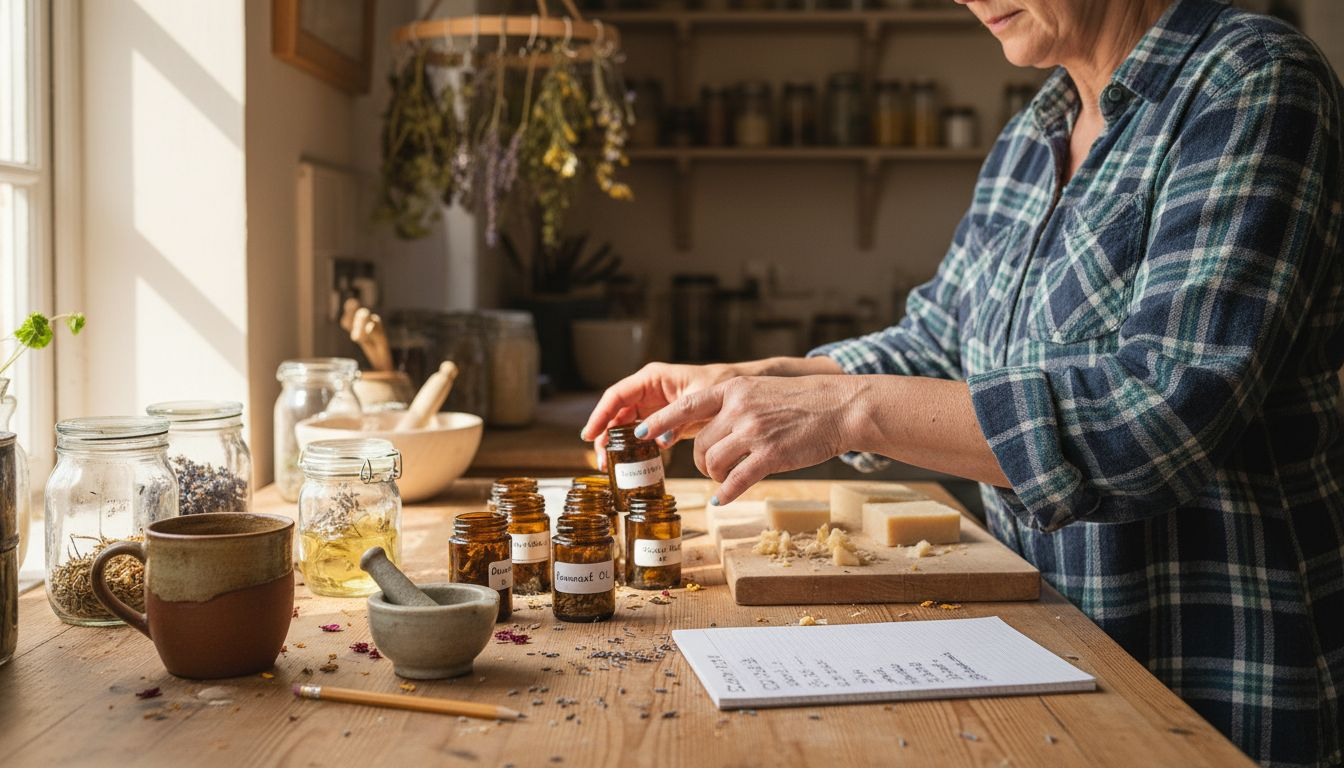
Unlike mass-produced alternatives, handmade soap production allows for incredible customisation and direct connection between maker and consumer. Small-batch production enables makers to respond quickly to specific skin concerns, experiment with novel botanical combinations, and maintain complete oversight of their manufacturing ethics.
Pro tip: Request detailed information about ingredient sourcing when purchasing handmade soaps to ensure alignment with your personal ethical and environmental values.
Benefits for skin and wellbeing
Handmade soaps offer extraordinary skin health advantages beyond conventional cleansing. These artisan products represent a holistic approach to personal care, integrating natural ingredients that nourish and support the skin’s delicate ecosystem while promoting overall wellbeing.
Key benefits of handmade soaps include:
- Hydration: Superior moisture retention through natural oils
- pH Balance: Maintenance of skin’s natural protective barrier
- Gentle Cleansing: Minimal disruption to skin’s natural microbiome
- Therapeutic Properties: Essential oils supporting emotional and physical wellness
- Allergen Reduction: Fewer synthetic chemicals and potential irritants
The complex blend of natural ingredients in handmade soaps provides nuanced skincare benefits that mass-produced alternatives simply cannot replicate. Each carefully selected oil, botanical extract, and essential oil contributes to a multi-dimensional approach to skin health. Coconut and olive oils offer deep hydration, while lavender and chamomile extracts can provide calming, stress-reducing aromatherapeutic qualities.
Beyond physical benefits, handmade soaps create a sensory experience that supports mental wellbeing. The mindful production process, natural fragrances, and connection to traditional craftsmanship transform a simple daily routine into a moment of self-care and personal reflection.
Pro tip: Rotate different handmade soaps seasonally to match your skin’s changing needs and maintain optimal skin health throughout the year.
Eco impact and sustainability factors
Handmade soaps represent a powerful avenue for environmental consciousness, with small-scale producers increasingly adopting sustainable manufacturing practices. These artisan creators are reimagining personal care through an eco-friendly lens, prioritising environmental responsibility at every production stage.
Key sustainability considerations in handmade soap production include:
- Renewable Resource Sourcing: Prioritising organic, locally-harvested ingredients
- Minimal Waste Production: Reducing packaging and manufacturing byproducts
- Carbon Footprint Reduction: Supporting local supply chains
- Biodegradable Ingredient Selection: Using natural, environmentally-friendly components
- Ethical Manufacturing: Ensuring fair trade and responsible production practices
The environmental impact of handmade soaps extends far beyond their immediate production. By rejecting synthetic chemicals and single-use plastic packaging, these products represent a holistic approach to sustainable personal care. Small-batch production allows makers to experiment with innovative, low-impact ingredients and packaging solutions that large-scale manufacturers cannot easily implement.
Consumers increasingly recognise that personal care choices have significant environmental implications. Handmade soaps offer a tangible way to support sustainable practices, reduce chemical pollution, and contribute to a more environmentally conscious consumer culture.
Pro tip: Research the specific sourcing and production methods of your handmade soap to understand its true environmental impact and sustainability credentials.
Risks, costs, and comparison with commercial soaps
Handmade soaps present a nuanced alternative to mass-produced commercial products, with distinct advantages and potential considerations for consumers. Understanding the trade-offs helps buyers make informed skincare choices that balance quality, cost, and personal health requirements.
Key differences between handmade and commercial soaps include:
- Ingredient Quality: Natural vs synthetic components
- Production Scale: Small-batch artisan vs industrial manufacturing
- Price Point: Higher cost for handmade, lower for commercial
- Shelf Stability: Shorter for handmade, longer for commercial
- Chemical Composition: Minimal preservatives in handmade, extensive in commercial
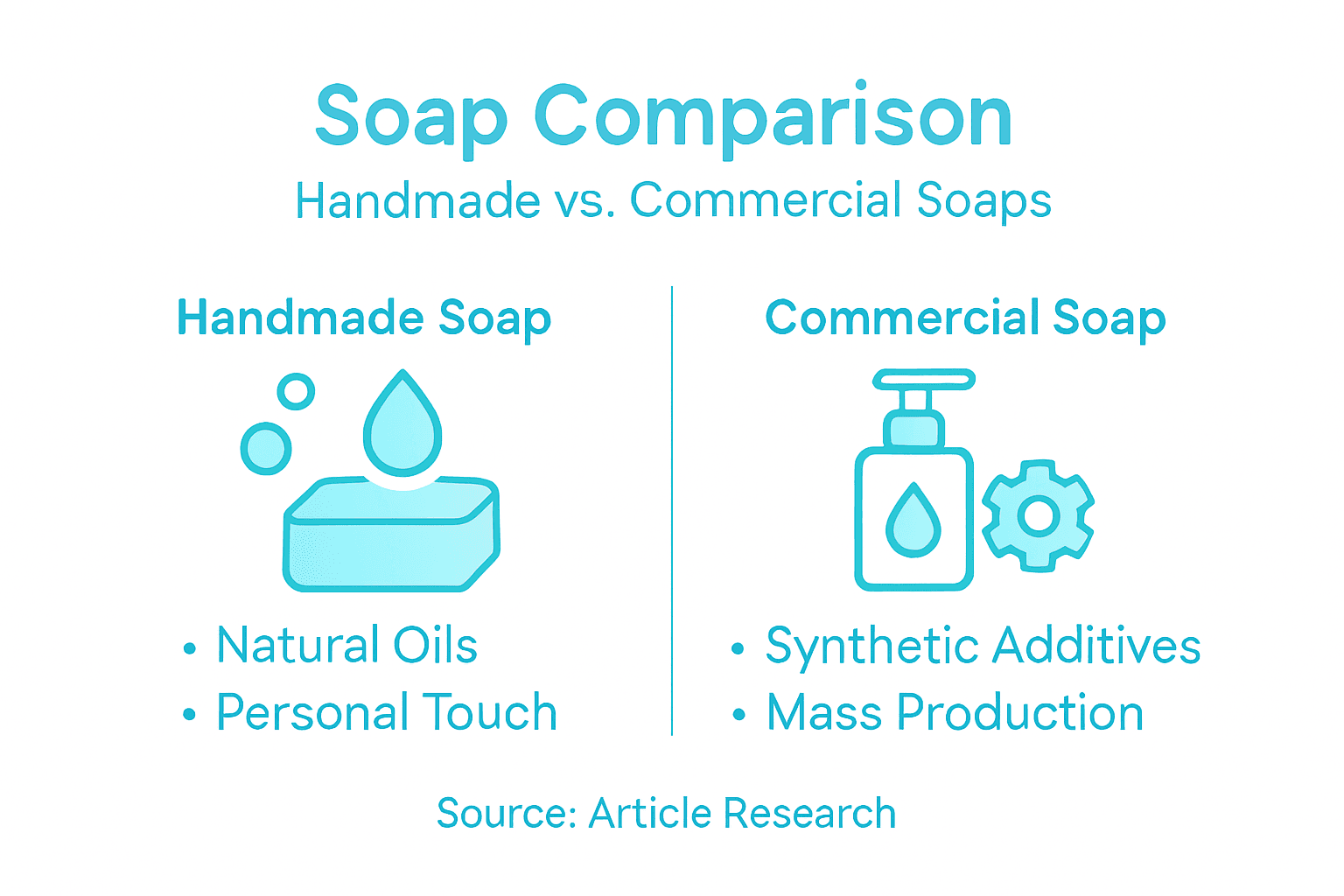
While commercial soaps prioritise uniformity and long shelf life, handmade varieties offer more personalised skincare solutions. The higher price reflects careful ingredient selection, small-batch production, and absence of bulk manufacturing shortcuts. Commercial soaps often contain synthetic detergents and preservatives that can strip skin’s natural oils, whereas handmade alternatives focus on nurturing the skin’s delicate microbiome.
Here is a comparison highlighting key differences between handmade and commercial soaps:
| Aspect | Handmade Soaps | Commercial Soaps |
|---|---|---|
| Main Ingredients | Natural oils, botanicals, minimal additives | Synthetic detergents, preservatives |
| Environmental Impact | Lower, often uses sustainable methods | Higher, mass production and packaging |
| Customisation | Highly customisable for skin types | Standardised for mass market |
| Shelf Life | Shorter, due to fresh ingredients | Longer, with added chemicals |
| Skin Benefits | Gentle, nourishing, less likely to irritate | Can be harsh, may strip natural oils |
| Price Point | Higher, reflects craftsmanship and quality | Lower, benefits from economies of scale |
Consumers must weigh potential risks such as slight batch inconsistencies and potential allergen exposure against the significant benefits of natural, carefully crafted skincare products. The artisanal approach means each soap batch is unique, offering a more tailored and thoughtful approach to personal hygiene.
Pro tip: Always patch test new handmade soaps and carefully review ingredient lists to ensure compatibility with your specific skin sensitivities.
Discover the True Benefits of Handmade Soaps for Your Skin
If you have been seeking a gentle, effective way to nourish and protect your skin while embracing ethical craftsmanship and sustainability the insights from “Why Handmade Soaps Matter for Skin Health” highlight exactly why choosing natural products matters. Handmade soaps use pure, responsibly sourced ingredients that support hydration, maintain your skin’s natural balance, and reduce exposure to harsh chemicals. This is the skin care solution you have been looking for to address dryness, sensitivities or simply elevate your daily routine.

Explore our carefully curated collection of Organic Personal Care Products crafted to deliver these authentic benefits. Pair your soap selection with our Facial Care - Plant Powered Goodness range for a holistic approach to skin health. Don’t wait to transform your self-care rituals with products that align with your values and skin’s needs. Visit The Soap Lab today and start your journey towards naturally radiant skin.
Frequently Asked Questions
What are the main benefits of using handmade soaps for skin health?
Handmade soaps offer superior hydration, maintain skin’s natural pH balance, and provide gentle cleansing. They are formulated with natural ingredients that nourish the skin, reducing the risk of irritation from synthetic chemicals.
Are handmade soaps suitable for all skin types?
Yes, handmade soaps can be tailored to suit various skin types, including sensitive skin. By selecting specific carrier oils and botanical additives, makers can create formulations that address individual skin concerns.
How do handmade soaps compare to commercial soaps?
Handmade soaps typically contain natural ingredients with minimal additives, while commercial soaps often have synthetic chemicals and preservatives. This makes handmade options gentler on the skin and more beneficial for maintaining skin health.
What should I look for in a handmade soap?
Look for clear ingredient labelling, natural oils, botanical additives, and a commitment to ethical sourcing. It’s also essential to consider any personal sensitivities and select formulations that align with your skin’s needs.



