

Role of Natural Ingredients in Sustainable Skincare
Choosing natural skincare can feel like navigating a maze when your priority is gentle, sustainable care for sensitive skin. With growing concern about synthetic additives, more British consumers are turning to ingredients that honour both personal wellbeing and the planet. In this overview, you will discover how botanical, mineral, and marine sources empower ethical choices—helping you understand not just what goes on your skin but where it comes from and why it matters for a holistic lifestyle.
Table of Contents
- Defining Natural Ingredients And Their Origins
- Benefits For Sensitive Skin And Wellbeing
- Distinguishing Natural, Organic, And Synthetic
- Sourcing And Ethical Considerations In The UK
- Risks, Allergens, And Common Pitfalls
Key Takeaways
| Point | Details |
|---|---|
| Natural Ingredients Origin | Natural ingredients are derived from plants, minerals, animals, and marine sources, and play a vital role in skincare, particularly for sensitive skin. |
| Benefits for Sensitive Skin | Natural ingredients help repair the skin barrier, reduce inflammation, and regulate sensory functions, providing holistic support for sensitive skin types. |
| Understanding Ingredient Categories | It is essential to differentiate between natural, organic, synthetic, and hybrid ingredients, as each offers unique benefits and sourcing methods. |
| Ethical Sourcing in Skincare | Consumers should prioritise brands that demonstrate commitment to ethical sourcing and sustainability practices, particularly regarding ingredient origins and environmental impact. |
Defining Natural Ingredients and Their Origins
Natural ingredients represent botanical, mineral, and animal-derived substances used in skincare formulations that have been carefully extracted without synthetic processing. Historical cosmetic practices reveal these materials have been fundamental to human beauty rituals for thousands of years, spanning diverse civilisations like Ancient Egypt, Traditional Chinese Medicine, and Ayurvedic practices.
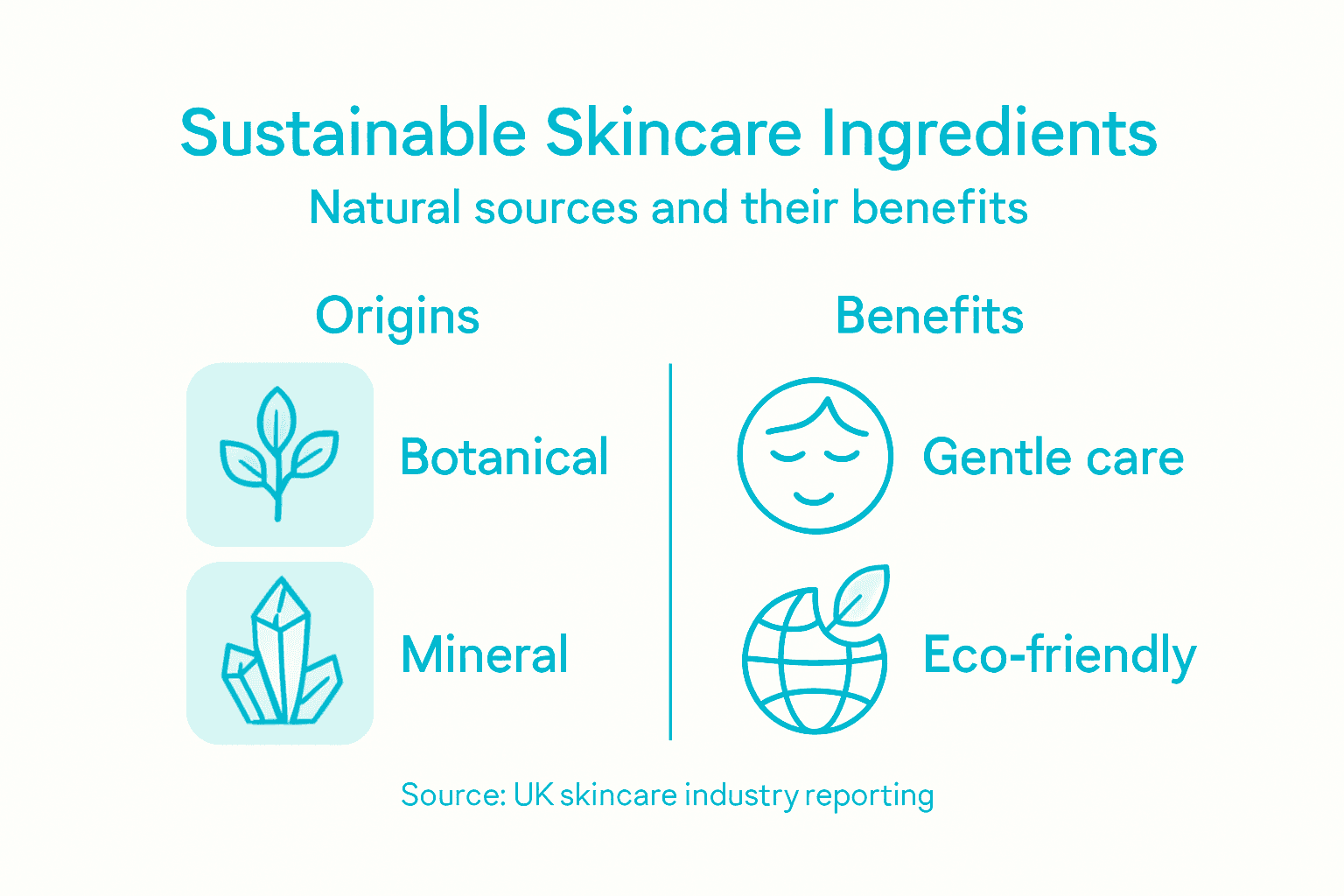
The origins of natural ingredients can be broadly categorised into four primary sources:
- Botanical Sources: Plant extracts from roots, leaves, flowers, and fruits
- Mineral Sources: Natural earth-derived compounds like clay, salt, and mineral oils
- Animal-Derived Sources: Ingredients like honey, beeswax, and milk proteins
- Marine Sources: Seaweed, algae, and marine botanical extracts
Each category brings unique properties that support skin health through complex biochemical interactions. Therapeutic uses of natural products demonstrate remarkable potential for delivering antioxidant, hydrating, and soothing effects particularly beneficial for sensitive skin types.
Modern sustainable skincare approaches prioritise minimally processed, ethically sourced natural ingredients that maintain their inherent molecular structures and therapeutic qualities. These ingredients are carefully selected to ensure maximum bioavailability and minimal environmental impact, representing a holistic approach to personal care that respects both human and ecological wellness.
Pro tip: When selecting natural skincare products, always verify the ingredient list and look for transparent sourcing information to ensure genuine botanical integrity.
Benefits for Sensitive Skin and Wellbeing
Sensitive skin demands a nuanced approach to skincare, characterised by heightened reactivity and susceptibility to environmental triggers. Advanced botanical compounds demonstrate remarkable potential in addressing complex skin sensitivity challenges by targeting underlying inflammatory responses and supporting natural skin barrier functions.
The primary benefits of natural ingredients for sensitive skin include:
- Barrier Repair: Restoring compromised skin protective mechanisms
- Inflammation Reduction: Calming reactive skin responses
- Sensory Function Regulation: Balancing skin’s sensitivity thresholds
- Hydration Support: Maintaining optimal moisture without irritation
Modern research highlights several key mechanisms through which natural ingredients support skin wellness. Innovative extraction techniques have enabled the development of plant-based extracts with targeted therapeutic properties, specifically designed to soothe and protect delicate skin types.
These natural compounds work synergistically to address the multifaceted nature of skin sensitivity, offering a holistic approach to skincare that goes beyond superficial treatment. By focusing on underlying physiological processes, natural ingredients can help individuals with sensitive skin achieve greater comfort, reduced inflammation, and improved overall skin resilience.
Pro tip: Always perform a patch test with new natural skincare products to ensure compatibility with your unique skin sensitivities.
Distinguishing Natural, Organic, and Synthetic
Comparative ingredient analysis reveals significant differences between natural, organic, and synthetic skincare components. These categories represent distinct approaches to product formulation, each with unique characteristics, sourcing methods, and potential benefits for skin health.
Key distinctions between ingredient categories include:
- Natural Ingredients: Directly derived from plants, minerals, or animals with minimal processing
- Organic Ingredients: Cultivated without synthetic pesticides or fertilisers, meeting strict agricultural standards
- Synthetic Ingredients: Chemically manufactured in laboratories with precise molecular engineering
- Hybrid Ingredients: Partially natural, partially synthesised compounds
The fundamental differences extend beyond mere origin. Synthetic ingredients often provide consistent performance and targeted efficacy, while natural ingredients offer holistic benefits rooted in complex botanical interactions. Scientific comparisons of skincare ingredients demonstrate that both approaches can deliver effective skincare solutions, challenging simplistic narratives about superiority.
Here is a comparison of natural, organic, synthetic, and hybrid skincare ingredients by their key characteristics:
| Ingredient Type | Main Source | Regulatory Oversight | Typical Consumer Perception |
|---|---|---|---|
| Natural | Plants/animals/minerals | Basic safety regulations | Viewed as gentle and pure |
| Organic | Certified natural origin | Stricter organic standards | Seen as safest for health and planet |
| Synthetic | Laboratory-created | Robust scientific review | Valued for consistency and efficacy |
| Hybrid | Blend of sources | Varies, often complex | Considered innovative, sometimes confusing |
Consumers increasingly seek transparency, understanding that effective skincare transcends categorical distinctions. The most advanced formulations now blend scientific innovation with natural wisdom, recognising that skin health depends on intelligent ingredient selection rather than rigid categorisation.
Pro tip: Read ingredient labels carefully and prioritise products that provide clear, transparent information about their ingredient sourcing and processing methods.
Sourcing and Ethical Considerations in the UK
Ethical skincare sourcing demands comprehensive evaluation of environmental, social, and sustainability factors specific to the United Kingdom’s stringent consumer standards. British consumers increasingly prioritise transparency, demanding comprehensive understanding of ingredient origins and production practices.
Key ethical considerations for sustainable skincare include:
- Environmental Impact: Minimising carbon footprint and reducing waste
- Animal Welfare: Ensuring cruelty-free production methods
- Supply Chain Transparency: Verifying fair labour practices
- Local Sourcing: Supporting British agricultural and botanical producers
- Packaging Sustainability: Reducing plastic and non-biodegradable materials
British skincare brands are increasingly adopting holistic approaches that balance scientific innovation with ecological responsibility. This involves carefully selecting ingredients that not only deliver exceptional skin health benefits but also align with broader environmental and social sustainability goals.

The evolving landscape of ethical skincare in the UK reflects a growing consumer consciousness. Brands are now expected to demonstrate genuine commitment to sustainable practices, going beyond superficial marketing claims and providing verifiable evidence of their environmental and social contributions.
Pro tip: Research brands’ sustainability certifications and look for transparent reporting on their environmental and ethical practices before making purchasing decisions.
Risks, Allergens, and Common Pitfalls
Natural skincare products contain hidden allergen risks that consumers often overlook. Despite perceptions of safety, botanical and natural ingredients can trigger significant skin sensitivities and adverse reactions, challenging the widespread assumption that ‘natural’ automatically means ‘gentle’.
Common allergens and potential risks in natural skincare include:
- Botanical Extracts: Potential irritants like essential oils and plant derivatives
- Fragrance Components: Natural and synthetic scent triggers
- Preservative Systems: Both natural and synthetic preservation agents
- Cross-Reactive Ingredients: Substances that cause unexpected immune responses
- Microbial Contamination: Risks associated with minimally processed ingredients
Comprehensive toxicological assessments reveal complex safety considerations beyond surface-level ingredient analysis. Natural ingredients require rigorous evaluation for potential photo-toxicity, skin sensitisation, and systemic health impacts, emphasising the need for scientific scrutiny.
European regulatory frameworks now mandate stringent testing protocols that protect consumers while promoting innovation in natural skincare formulations. These guidelines ensure that products meet high safety standards, regardless of their botanical or synthetic origins.
The following table summarises major risks and protective measures to consider when using natural skincare products:
| Potential Risk | Common Trigger | Protective Measure |
|---|---|---|
| Allergic reaction | Essential oils, botanicals | Patch testing before use |
| Microbial growth | Unpreserved ingredients | Use airtight, sterile packaging |
| Photo-toxicity | Citrus extracts | Apply sunscreen after use |
| Labelling confusion | Unregulated terms | Research certification standards |
Pro tip: Conduct a patch test with new skincare products and carefully review ingredient lists, paying special attention to known personal allergens and sensitivities.
Embrace Sustainable Skincare with Pure Natural Ingredients
Sensitive and environmentally conscious skin requires products that truly deliver on their promise of natural purity and ethical sourcing. The challenges of selecting skincare free from hidden allergens and synthetic additives are real yet surmountable with informed choices. At The Soap Lab, we understand the importance of minimally processed plant-powered goodness, carefully crafted to nurture your skin and protect the planet.
Discover our curated collection of Facial Care - Plant Powered Goodness where every ingredient is chosen for its therapeutic benefits and sustainability.

Experience skincare that respects your sensitive skin’s needs while honouring ethical practices. Start your journey today by exploring The Soap Lab’s full range of Organic Personal Care Products and take the first step towards radiant skin and a healthier Earth. For more details visit https://thesoaplab.co.uk now and feel the difference natural ingredients can make.
Frequently Asked Questions
What are natural ingredients in skincare?
Natural ingredients in skincare are substances derived from botanical, mineral, or animal sources that are minimally processed and used for their therapeutic properties.
How do natural ingredients benefit sensitive skin?
Natural ingredients can help sensitive skin by repairing the skin barrier, reducing inflammation, regulating sensory function, and providing hydration without irritation.
How do natural, organic, and synthetic ingredients differ?
Natural ingredients are directly sourced from nature with minimal processing, organic ingredients are grown without synthetic chemicals, and synthetic ingredients are chemically manufactured in labs.
What should I consider when choosing natural skincare products?
When selecting natural skincare products, verify the ingredient list, look for transparent sourcing information, and consider ethical practices such as environmental impact and animal welfare.
Recommended
- Role of Natural Exfoliants in Eco-Friendly Skincare – The Soap Lab Scotland
- 7 Essentials for an Eco-Friendly Skincare Ingredients Checklist – The Soap Lab Scotland
- Eco Friendly Skincare Checklist | 7 Essential Steps – The Soap Lab Scotland
- Role of Plant-Based Skincare – Why It Matters for Sensitive Skin – The Soap Lab Scotland



