

Role of Plant-Based Skincare – Why It Matters for Sensitive Skin
Sorting through plant-based skincare options can leave anyone in the UK questioning what truly works for sensitive skin. As more people seek out nature-inspired routines, common myths about natural ingredients often linger, making choices harder for those focused on sustainability and ethics. This guide uncovers the truth about plant-derived ingredients, highlights the importance of informed selection, and offers practical insight for British readers who want kindness to their skin and the planet.
Table of Contents
- Defining Plant-Based Skincare And Common Myths
- Types Of Plant-Based Ingredients In Skincare
- Benefits For Sensitive And Reactive Skin
- Sustainability And Ethical Sourcing In Formulation
- Potential Risks And Misconceptions To Avoid
Key Takeaways
| Point | Details |
|---|---|
| Understanding Variability | Not all plant-based ingredients are universally safe or effective; individual skin responses can vary significantly. |
| Personalised Care | Consult a dermatologist to identify compatible plant-based products based on unique skin biochemistry. |
| Sustainable Sourcing | Ethical ingredient sourcing is essential for reducing environmental impact and supporting local communities. |
| Myth Dispelling | Common misconceptions about natural ingredients can lead to inappropriate usage; thorough patch testing is advisable. |
Defining Plant-Based Skincare and Common Myths
Plant-based skincare represents a holistic approach to nurturing sensitive skin using natural botanical ingredients. Unlike synthetic alternatives, these products draw directly from nature’s therapeutic botanicals, offering gentle yet powerful solutions for skin health. Plant-derived ingredients have been traditionally used for centuries to address various dermatological concerns, making them increasingly popular among those seeking organic, mindful skincare options.
Understanding plant-based skincare requires dispelling common myths about natural products. Contemporary dermatological research reveals that not all natural ingredients are inherently safe or universally effective. Some key misconceptions include:
- Assuming all plant-based products are 100% safe
- Believing natural automatically means hypoallergenic
- Thinking plant extracts work identically for every skin type
- Expecting immediate results from herbal remedies
The skincare industry recognises that natural does not guarantee universal compatibility. Scientific investigations demonstrate significant variability in plant-based ingredient performance, with some extracts potentially causing allergic reactions or skin irritation. Consumers must approach natural skincare with informed, nuanced understanding rather than blanket assumptions.
Each botanical ingredient possesses unique properties that interact differently with individual skin biochemistries. Some plant extracts like aloe vera, chamomile, and calendula are renowned for their soothing characteristics, while others might trigger sensitivities. The key is personalised selection based on comprehensive skin analysis and professional guidance.
Pro tip: Always patch test new plant-based skincare products and consult a dermatologist to understand your specific skin’s compatibility with natural ingredients.
Types of Plant-Based Ingredients in Skincare
Plant-based skincare harnesses a diverse array of natural ingredients, each offering unique therapeutic properties for sensitive skin. Natural cosmetic ingredients represent a sophisticated approach to skincare, moving beyond traditional petrochemical formulations towards more environmentally conscious solutions. These botanical extracts serve multiple functions, from moisturising to protecting the skin’s delicate ecosystem.
Key plant-based ingredients commonly found in skincare include:
- Vegetable Oils: Coconut, avocado, jojoba, and argan oils
- Plant Extracts: Aloe vera, chamomile, calendula, and green tea
- Botanical Esters: Natural emollients derived from plant sources
- Fatty Alcohols: Derived from plant triglycerides for skin conditioning
- Herbal Solvents: Natural alternatives to synthetic chemical carriers
Sustainable sourcing remains crucial in plant-based skincare. Plant oil cultivation requires careful consideration of environmental and social impacts. While these ingredients offer remarkable skin benefits, responsible sourcing ensures minimal ecological disruption and supports local communities.
Each botanical ingredient interacts uniquely with skin biochemistry. Some excel at hydration, others provide anti-inflammatory properties, and some offer natural antioxidant protection. The complexity of plant-based ingredients means personalised selection is key, considering individual skin sensitivities and specific therapeutic requirements.
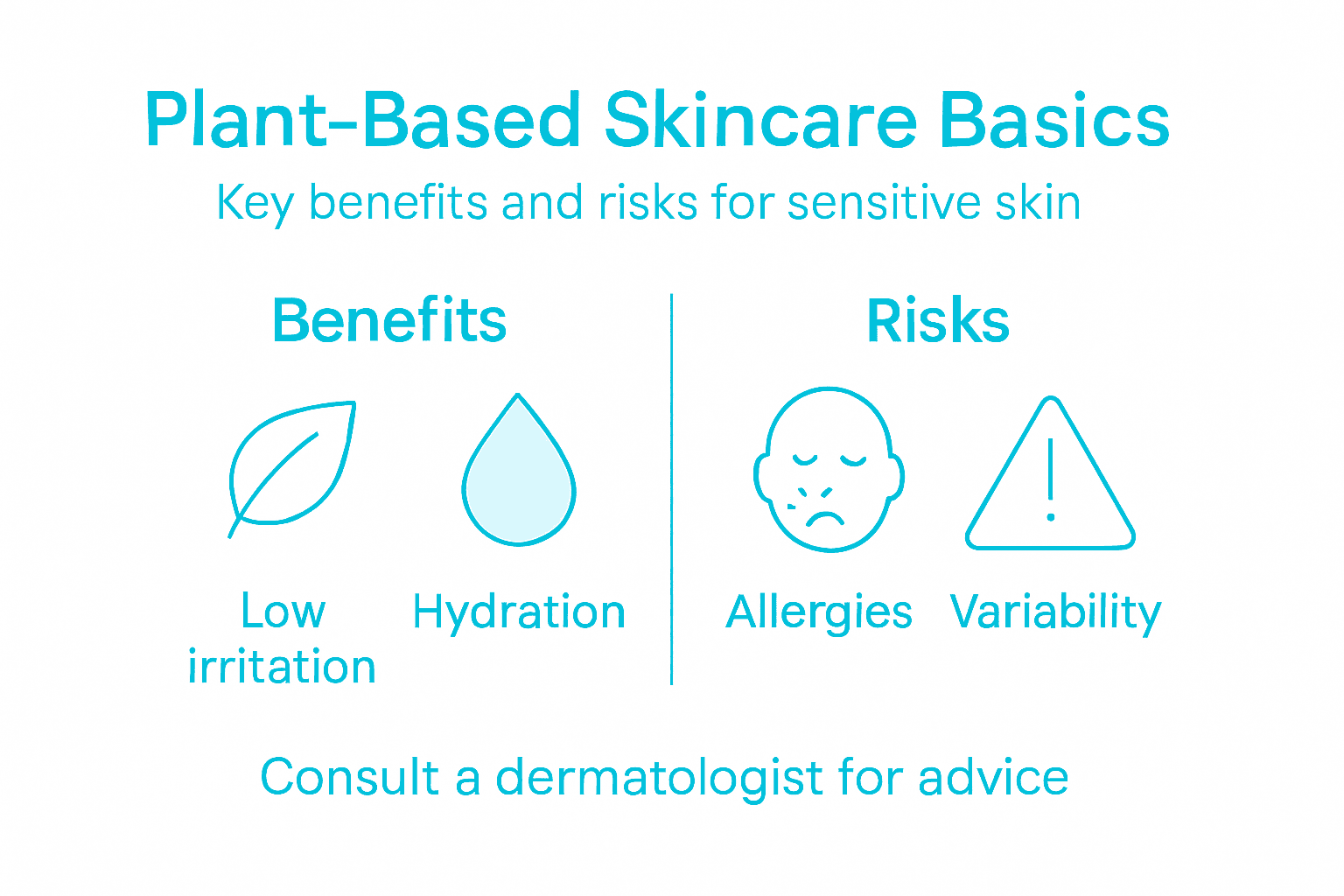
Here is a comparison of popular plant-based skincare ingredients and their primary benefits for sensitive skin:
| Ingredient | Core Benefit | Skin Suitability |
|---|---|---|
| Aloe Vera | Calming hydration | Eczema, dry skin |
| Chamomile | Reduces redness | Irritated, sensitive skin |
| Calendula | Promotes healing | Reactive, fragile skin |
| Green Tea | Antioxidant defence | Ageing, stressed skin |
| Jojoba Oil | Balances moisture | Combination, acne-prone skin |
Pro tip: Research the specific origin and extraction method of plant-based ingredients to ensure maximum effectiveness and ethical sourcing for your sensitive skin.
Benefits for Sensitive and Reactive Skin
Sensitive skin requires exceptionally gentle and targeted care, with plant-based ingredients offering remarkable therapeutic potential. Botanical extracts like bakuchiol provide natural alternatives to harsh synthetic treatments, delivering skin-healing properties without triggering inflammatory responses. These ingredients work harmoniously with the skin’s delicate biochemistry, addressing reactive skin conditions with unprecedented sensitivity.
Key benefits of plant-based skincare for sensitive skin include:
- Reduced Irritation: Minimises potential allergic reactions
- Natural Anti-Inflammatory: Soothes and calms skin
- Gentle Hydration: Provides moisture without overwhelming skin
- Antioxidant Protection: Supports natural skin healing mechanisms
- Balanced Microbiome: Supports skin’s natural protective barriers
Aloe vera’s therapeutic properties demonstrate the profound potential of botanical ingredients. Its complex composition of vitamins, minerals, and polysaccharides offers comprehensive skin support, particularly for individuals struggling with conditions like eczema, rosacea, and chronic skin sensitivity.

Understanding individual skin responses remains crucial. While plant-based ingredients offer extraordinary potential, personalised approaches considering unique skin biochemistry ensure optimal results. Each botanical extract interacts differently with skin, making careful selection and patch testing essential for those with reactive skin conditions.
Pro tip: Introduce new plant-based skincare ingredients gradually, performing a patch test 24-48 hours before full application to monitor potential skin reactions.
Sustainability and Ethical Sourcing in Formulation
Sustainable skincare transcends mere product creation, representing a comprehensive commitment to environmental and social responsibility. Green chemistry advances are transforming the cosmetics industry, enabling innovative approaches that minimise ecological impact while maintaining high-performance standards.
Key principles of ethical plant-based ingredient sourcing include:
- Transparent Supply Chains: Full traceability of ingredient origins
- Biodiversity Protection: Preventing deforestation and ecosystem disruption
- Fair Community Compensation: Supporting local agricultural communities
- Regenerative Agricultural Practices: Promoting soil health and carbon sequestration
- Minimal Water and Energy Consumption: Reducing overall environmental footprint
Sustainable cosmetics production demands rigorous scrutiny of farming practices, extraction methods, and community impacts. Unsustainable sourcing can lead to significant environmental degradation, including water pollution, habitat destruction, and negative consequences for indigenous populations.
Consumers increasingly demand transparency, pushing brands to adopt more responsible ingredient procurement strategies. This involves not just selecting plant-based ingredients, but understanding their entire lifecycle – from seed to skincare product. Ethical sourcing means considering the broader ecological and social implications of each botanical extract.
The following table summarises sustainability criteria for ethical plant-based skincare sourcing:
| Criterion | Environmental Impact | Social Impact |
|---|---|---|
| Transparent supply chains | Minimises over-harvesting | Ensures fair workforce |
| Biodiversity protection | Preserves native species | Safeguards local livelihoods |
| Regenerative agriculture | Enhances soil and water | Promotes community wellbeing |
Pro tip: Research skincare brands’ sustainability certifications and ask specific questions about their ingredient sourcing practices before making purchasing decisions.
Potential Risks and Misconceptions to Avoid
Plant-based skincare demands a nuanced understanding beyond simplistic assumptions about natural ingredients. Botanical treatment risks00069-9/fulltext) reveal that not all natural ingredients are universally safe or compatible with every skin type, challenging the widespread misconception that ‘natural’ automatically means ‘harmless’.
Common misconceptions about plant-based skincare include:
- Believing all natural ingredients are completely hypoallergenic
- Assuming plant extracts work identically for every individual
- Thinking higher concentration equals better results
- Ignoring potential interactions with existing medications
- Expecting immediate transformative effects
Natural ingredient variability presents significant challenges in skincare formulation. Botanical extracts can trigger unexpected allergic reactions, with concentration and extraction methods profoundly influencing their safety and efficacy. Some individuals might experience heightened sensitivity or adverse responses to seemingly benign plant-based compounds.
Professional dermatological guidance becomes crucial when navigating plant-based skincare. Understanding your unique skin biochemistry, performing comprehensive patch tests, and maintaining open communication with healthcare professionals can mitigate potential risks associated with natural ingredient usage.
Pro tip: Consult a dermatologist and perform thorough patch testing before integrating new plant-based skincare products, especially if you have sensitive or reactive skin.
Embrace Gentle Care with Plant-Based Skincare Solutions
Sensitive skin demands products that truly respect its unique needs and sensitivities. The challenges of irritation, allergic reactions, and finding effective yet gentle skincare can feel overwhelming. The key lies in choosing formulations that harness the power of natural botanicals like aloe vera and chamomile, which soothe and protect without harsh chemicals. By understanding how these plant-powered ingredients work with your skin’s biochemistry, you can restore balance and radiance safely.
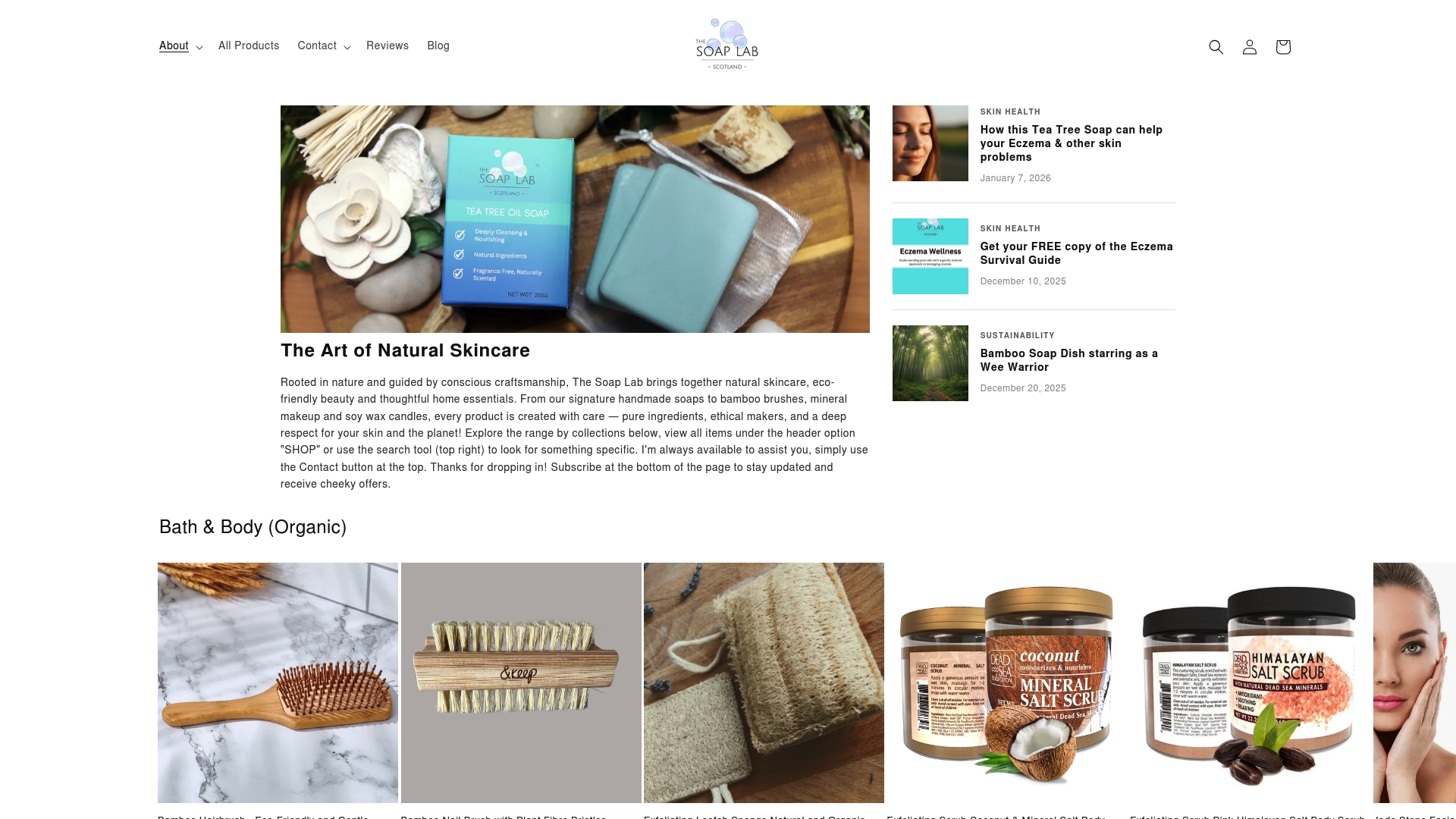
Discover a carefully curated range of eco-friendly products at Facial Care - Plant Powered Goodness – The Soap Lab Scotland designed specifically with sensitive skin in mind. Each item focusses on sustainable sourcing and ethical craftsmanship to nurture both your skin and the planet. Explore our complete selection of Organic Personal Care Products – The Soap Lab Scotland and take the important step towards mindful, natural beauty today. Visit The Soap Lab Scotland now to find your perfect plant-based skincare ritual that truly matters.
Frequently Asked Questions
What are the benefits of plant-based skincare for sensitive skin?
Plant-based skincare offers reduced irritation, natural anti-inflammatory properties, gentle hydration, antioxidant protection, and balanced support for the skin’s microbiome, making it ideal for sensitive skin.
Are all plant-based skincare products safe for everyone?
Not all plant-based products are universally safe. Individual skin responses vary, and some natural ingredients can cause allergic reactions or irritations. It’s essential to perform patch tests before full application.
How should I choose plant-based ingredients for my skincare routine?
Choose plant-based ingredients based on your skin’s unique biochemistry and needs. Consult a dermatologist for personalised recommendations, and prioritise ingredients known for their soothing properties, such as aloe vera or chamomile.
How can I ensure the sustainability of my plant-based skincare products?
Verify that brands practice ethical sourcing by looking for transparent supply chains and certifications that reflect sustainable farming and fair compensation practices. Researching the ingredient origins and extraction methods will also help ensure their environmental responsibility.
Recommended
- Eczema Treatment Tips | Organic Tea Tree Soap Benefits – The Soap Lab Scotland
- Sensitive Face Cream | Coconut Rosehip 100ml – The Soap Lab – The Soap Lab Scotland
- Face Serum Olive & Avocado: 10ml - Nourish Your Skin – The Soap Lab Scotland
- Toner Orange Blossom and Aloe Vera Reviving Toner Spray – The Soap Lab Scotland



