

How to Switch to Natural Skincare Naturally, Step by Step
Finding safer, eco-friendly skincare options can feel daunting for health-conscious British individuals faced with shelves of complex product labels. Many conventional products contain synthetic ingredients, and understanding their effects is vital for your skin and wellbeing. This guide supports your shift to natural ingredient alternatives, offering practical steps, expert-backed advice, and clear strategies to make your transition smooth and confident.
Table of Contents
- Step 1: Assess Your Current Skincare Products
- Step 2: Identify Suitable Natural Alternatives
- Step 3: Transition Gradually to Natural Ingredients
- Step 4: Monitor Skin’s Response and Adjust Routine
- Step 5: Verify Product Authenticity and Sustainability
Quick Summary
| Key Insight | Explanation |
|---|---|
| 1. Assess your current products | Evaluate your skincare products by examining ingredient lists and categorising them for a natural transition. |
| 2. Identify natural alternatives | Explore natural substitutes for your products, focusing on their functions and benefits. |
| 3. Transition gradually | Replace products one category at a time, allowing time between changes to monitor skin reactions. |
| 4. Monitor skin’s response | Keep a detailed log of physical changes and sensitivities to adjust your skincare routine effectively. |
| 5. Verify product authenticity | Ensure your products are sustainably sourced by checking certifications and ingredient transparency. |
Step 1: Assess Your Current Skincare Products
Switching to natural skincare begins with a comprehensive assessment of your current product lineup. This crucial first step helps you understand exactly what you’re putting on your skin and identify potential areas for healthier alternatives.
Start by gathering all your current skincare products and examining their ingredient lists carefully. Cosmetic product safety guidelines recommend paying close attention to the ingredients that directly contact your skin. Look for these critical aspects:
- Harmful chemicals: Identify synthetic preservatives, parabens, and artificial fragrances
- Ingredient origins: Check whether ingredients are plant-based or petroleum-derived
- Potential irritants: Note substances that might trigger skin sensitivity
Create a detailed inventory of your products, categorising them into three groups:
- Products with safe, natural ingredients
- Products with mixed ingredients requiring further investigation
- Products you should immediately replace with natural alternatives
Understanding your current skincare composition is the foundation of a successful natural transition.
Reading ingredient labels might feel overwhelming, but take your time and research unfamiliar terms. Look for scientifically recognised names of natural ingredients and be wary of complex chemical compounds.
Professional advice: Keep a dedicated notebook or digital spreadsheet to track your skincare product ingredients and research, making your natural transition more organised and intentional.
Step 2: Identify Suitable Natural Alternatives
Now that you have assessed your current skincare products, it is time to explore natural ingredient alternatives that can effectively replace synthetic formulations. Natural product libraries provide comprehensive insights into pure compounds derived from plants, fungi, and microbes that can transform your skincare routine.
To identify suitable alternatives, focus on understanding the specific functions of ingredients in your current products and find natural counterparts that offer similar benefits. Consider these key categories of natural skincare ingredients:
- Moisturisers: Shea butter, coconut oil, jojoba oil
- Cleansers: Honey, aloe vera, green tea extract
- Exfoliants: Oatmeal, sugar, ground coffee
- Anti-ageing compounds: Rosehip oil, bakuchiol, vitamin E
Research is crucial when exploring cosmetic ingredient options. Not all natural ingredients suit every skin type, so consider your unique skin concerns and potential sensitivities.
Here is a summary of common natural skincare ingredients, their benefits, and potential sensitivities:
| Ingredient | Main Benefit | Best For Skin Type | Potential Sensitivities |
|---|---|---|---|
| Shea butter | Deep moisturising | Dry or sensitive | Rare, but can clog pores |
| Jojoba oil | Balancing sebum | Oily or combination | Usually safe, rare allergies |
| Green tea extract | Soothing antioxidants | Inflamed or acne-prone | May cause mild irritation |
| Rosehip oil | Anti-ageing, brightening | Ageing or sun-damaged | Possible mild redness |
| Aloe vera | Calming hydration | All skin types | Rare, potential contact dermatitis |
Natural alternatives are not just substitutes; they are potent, scientifically-backed solutions for skincare.
Consult dermatologists or skincare experts who specialise in natural ingredients. They can provide personalised recommendations based on your skin type, concerns, and existing product lineup.
Pro Tip: Patch test any new natural ingredient on a small area of skin and wait 24-48 hours to ensure no allergic reactions or irritation occur.

Step 3: Transition Gradually to Natural Ingredients
Transitioning to natural skincare is not about an overnight revolution, but a careful, methodical journey of replacing synthetic products with gentle, plant-based alternatives. Postmarket regulation guidelines emphasise the importance of measured, thoughtful product changes to maintain skin health and safety.
Implement a strategic approach to transitioning your skincare routine:
- Replace one product category at a time: Start with cleansers, then move to moisturisers
- Introduce new products sequentially: Allow 2-4 weeks between introducing each new natural product
- Monitor skin reactions: Note any changes in texture, sensitivity, or overall skin condition
- Keep your previous products as backup: Do not discard immediately in case of adverse reactions
Understanding that herbal and natural supplements require careful introduction is crucial. Not all natural ingredients suit every skin type, so patience and observation are key.
The following table compares conventional and natural skincare approaches:
| Aspect | Conventional Skincare | Natural Skincare |
|---|---|---|
| Ingredient source | Synthetic or mixed | Plant-based or organic |
| Fragrance & Preservatives | Artificial additives | Essential oils or none |
| Environmental impact | Potentially polluting | Often eco-friendly |
| Irritation risk | Higher with harsh chemicals | Lower, but allergies possible |
Gradual transition allows your skin to adapt naturally, minimising potential irritation and maximising effectiveness.
Consider creating a detailed tracking journal to document your skin’s response to each new natural ingredient. This systematic approach will help you understand which alternatives work best for your unique skin profile.
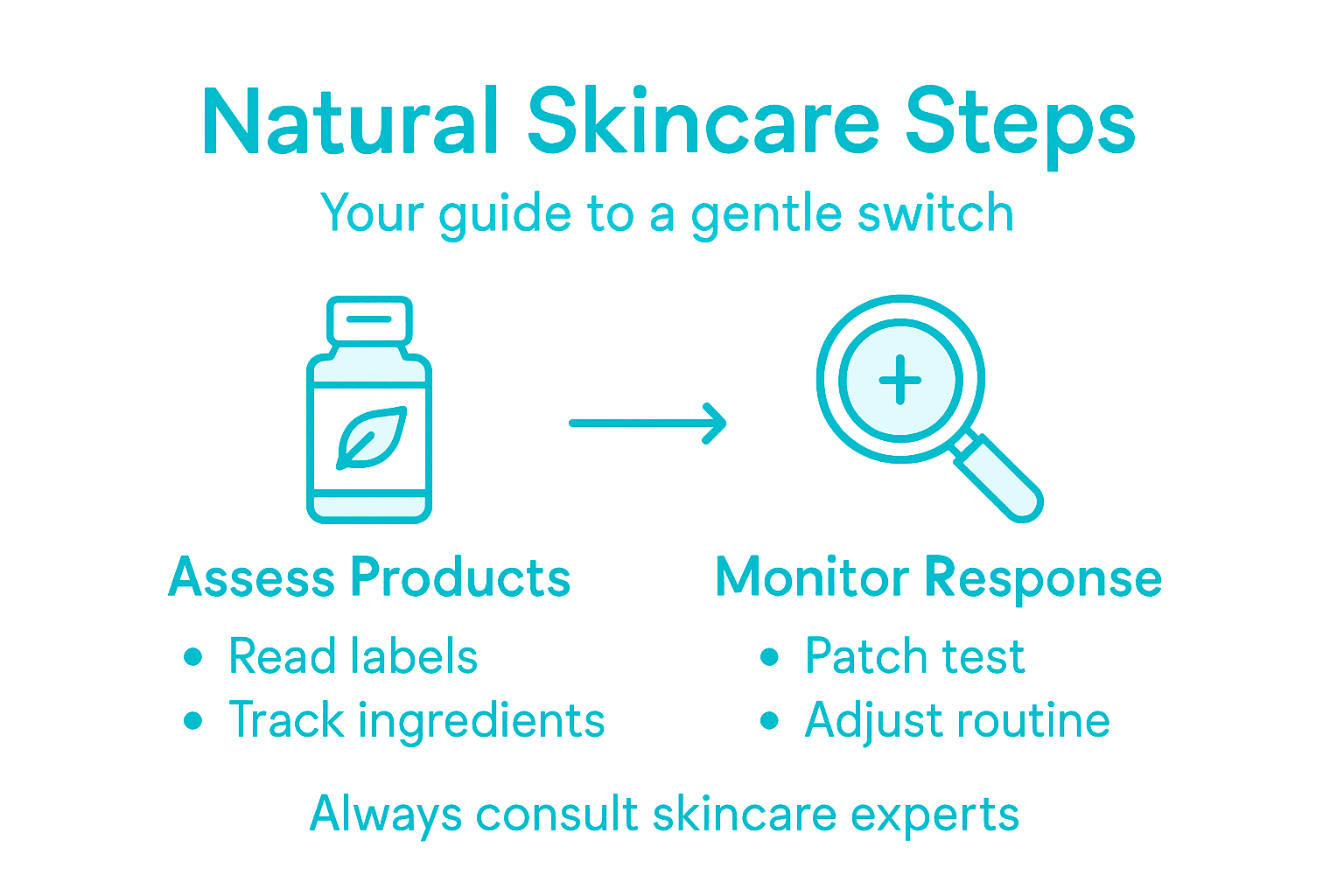
Pro Tip: Conduct patch tests on a small area of skin for each new natural ingredient, waiting 48 hours to ensure no unexpected reactions occur.
Step 4: Monitor Skin’s Response and Adjust Routine
Transitioning to natural skincare requires careful observation and a responsive approach to understand how your skin adapts to new ingredients. Skin sensitization methods provide scientific insights into recognising potential reactions and ensuring your skin’s health throughout this transformation.
Develop a comprehensive monitoring strategy by tracking these key indicators:
- Physical changes: Redness, dryness, inflammation, or unusual texture
- Sensitivity levels: Burning, itching, or increased skin reactivity
- Breakout patterns: Emergence of new blemishes or changes in existing skin condition
- Hydration balance: Excess oiliness or unexpected dryness
Use a structured approach to document your skin’s journey, creating a detailed log that captures daily observations. Postmarket product regulation emphasises the importance of systematic tracking during skincare transitions.
Your skin’s response is a unique conversation – listen carefully and respond thoughtfully.
Be prepared to make incremental adjustments. If a particular natural ingredient causes persistent irritation, remove it from your routine and consult a dermatologist. Remember that individual skin responses vary significantly.
Pro Tip: Take clear, well-lit photographs of your skin weekly to objectively track changes and progression in your natural skincare journey.
Step 5: Verify Product Authenticity and Sustainability
Ensuring the genuineness and eco-credentials of natural skincare products requires more than just reading labels. Product testing protocols provide crucial guidelines for understanding what truly constitutes an authentic natural skincare product.
Develop a comprehensive verification strategy by examining these critical aspects:
- Ingredient transparency: Look for complete, clear ingredient lists
- Certification marks: Seek recognised sustainable beauty certifications
- Manufacturing practices: Research brand’s ethical production methods
- Packaging sustainability: Evaluate environmental impact of product packaging
Utilise the USDA BioPreferred Product Catalog as a reliable resource for identifying genuinely sustainable products. This official database helps consumers distinguish between authentic natural products and greenwashed alternatives.
Authenticity is not just a label, but a commitment to transparent, responsible skincare.
Do not hesitate to contact brands directly. Reputable companies will happily provide detailed information about their sourcing, production methods, and sustainability practices.
Pro Tip: Download and use mobile apps that scan product barcodes and provide instant sustainability ratings and ingredient analyses.
Embrace a Natural Skincare Journey with Confidence
Switching to natural skincare is a thoughtful process that requires understanding your skin’s needs and choosing the right plant-based products. If you are seeking to replace synthetic ingredients with gentle, eco-friendly alternatives while respecting your skin’s unique response, explore our Facial Care - Plant Powered Goodness collection.
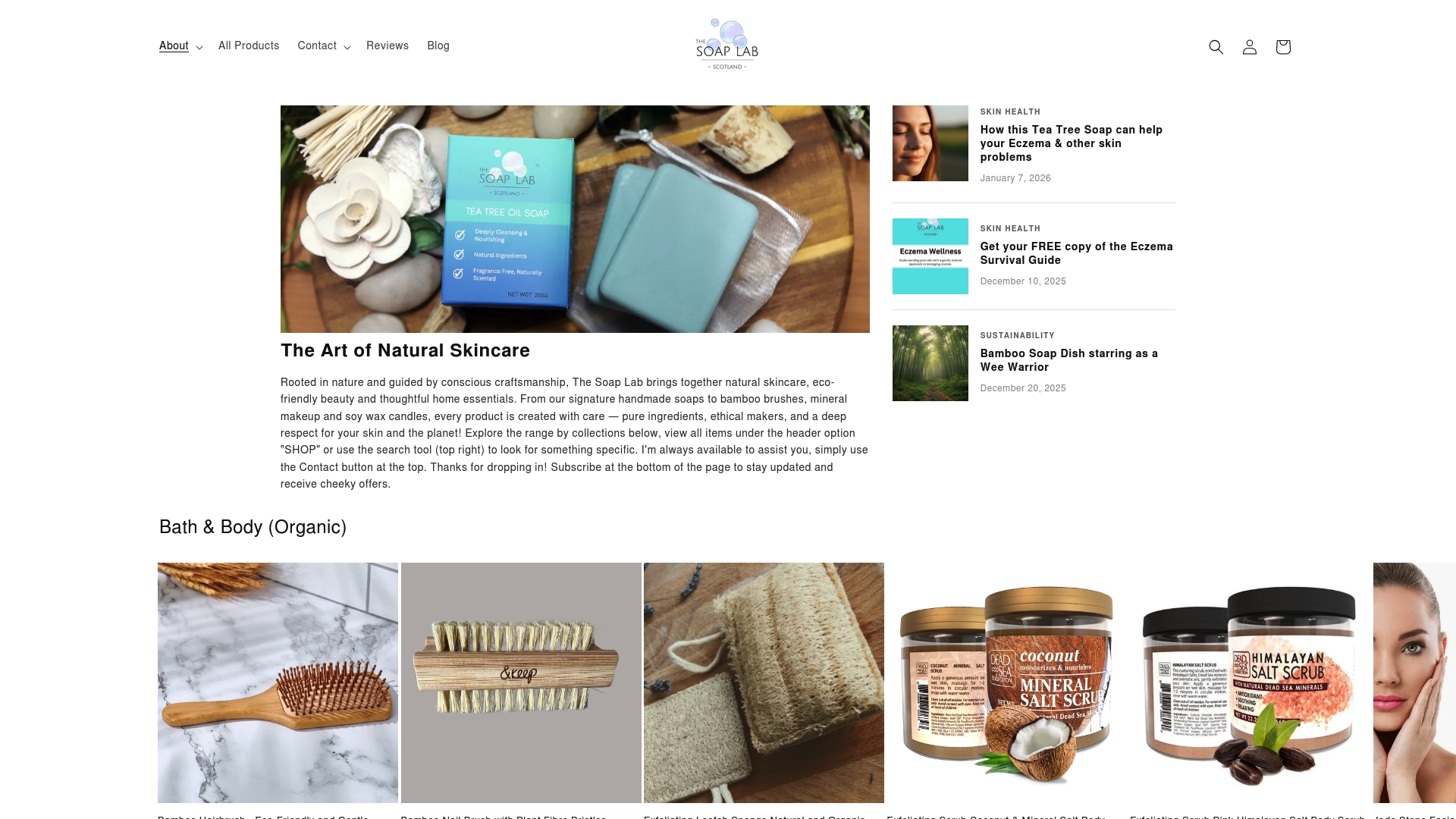
Discover carefully crafted skincare solutions made from pure, ethically sourced ingredients designed to nurture your skin as you transition. Take the first step today by visiting The Soap Lab and unlock a sustainable beauty routine that honours your skin and the environment. Your natural skincare transformation starts here.
Frequently Asked Questions
How can I assess my current skincare products before switching to natural skincare?
To assess your current skincare products, gather them together and examine their ingredient lists. Identify harmful chemicals, and group your products into safe, mixed, and those needing replacement, aiming to complete this review within one week.
What should I look for when identifying suitable natural alternatives for skincare?
When looking for natural alternatives, focus on ingredients that provide similar benefits to those in your existing products. Research options like shea butter or aloe vera for moisturisation, and compile a list of potential substitutes within two weeks.
How can I transition to natural ingredients without overwhelming my skin?
Transition gradually by replacing one product category at a time, such as starting with cleansers. Introduce each new product over a period of 2–4 weeks to allow your skin to adapt and minimise irritation.
How do I monitor my skin’s response during the transition to natural skincare?
Monitor your skin’s response by tracking physical changes, sensitivity levels, and breakout patterns in a daily log. Aim to update this log every few days to recognise trends and make adjustments based on your observations.
What steps can I take to verify the authenticity and sustainability of natural skincare products?
To verify product authenticity, examine ingredient transparency, certification marks, and the brand’s ethical production methods. Evaluate packaging sustainability by researching each product, aiming for comprehensive confirmation before making a purchase.
How do I research unfamiliar terms on ingredient labels effectively?
Research unfamiliar terms by using credible online resources or ingredient databases that provide detailed information about skincare components. Dedicate a week to familiarise yourself with common ingredients and their functions to enhance your understanding.
Recommended
- Master Eco-Conscious Skincare Tips for Sustainable Beauty – The Soap Lab Scotland
- Eco Friendly Skincare Checklist | 7 Essential Steps – The Soap Lab Scotland
- Role of Natural Exfoliants in Eco-Friendly Skincare – The Soap Lab Scotland
- 7 Organic Skincare Tips for Sensitive, Eco-Friendly Care – The Soap Lab Scotland



